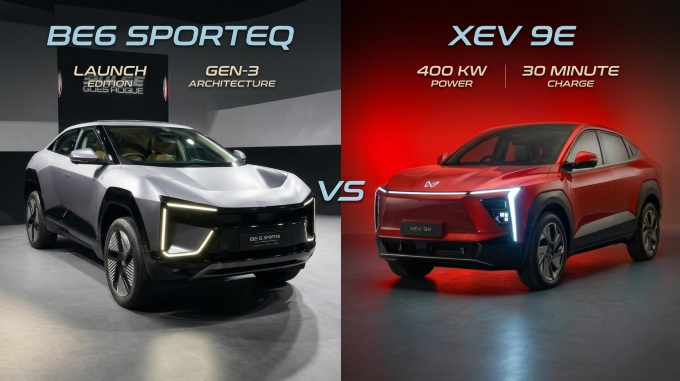
If you’re confused between Mahindra’s two premium electric SUVs, this Mahindra BE6 Sporteq VS Mahindra XEV 9E Comparison will help you understand the key differences. Instead of making the Mahindra BE 6 and XEV 9e completely different underneath, it has built both on the same INGLO electric platform and given them very different personalities.
The BE 6 SporteQ is the more compact, sporty-looking option, while the XEV 9e is the larger and more premium SUV aimed at buyers who want more space, comfort and practicality.
That makes the choice between them less about which one has the better technology and more about what kind of EV you actually need.
In this Mahindra BE 6 SporteQ vs XEV 9e comparison, we’ll look at their prices, variants, battery options, performance, range, dimensions, practicality and overall value, before answering the most important question: which one should you buy?
Quick answer: If you want a sportier, smaller and more affordable electric SUV with strong performance, the BE 6 SporteQ makes more sense. If you want a larger cabin, significantly more luggage space and a more premium family-SUV experience, the XEV 9e is the better choice.
Mahindra BE 6 SporteQ vs XEV 9e: Price Comparison
The biggest difference becomes obvious when you compare the prices.
Based on the prices you provided, the BE 6 SporteQ starts at ₹19.45 lakh, while the XEV 9e starts at ₹21.90 lakh, both ex-showroom.
Price comparison
| Model / Variant | Battery | BE 6 SporteQ | XEV 9e |
|---|---|---|---|
| Entry variant | 59 kWh | ₹19.45 lakh | ₹21.90 lakh |
| Mid variant | 59 kWh | ₹20.95 lakh | ₹24.90 lakh |
| 59 kWh higher variant | 59 kWh | ₹21.95 lakh | ₹27.90 lakh |
| Larger battery | 70/79 kWh | ₹22.95 lakh | ₹26.50 lakh** |
| Higher variant | 70/79 kWh | ₹23.95 lakh | ₹30.50 lakh |
| 79 kWh higher variant | 79 kWh | ₹24.95 lakh | ₹29.35 lakh |
| Top/Launch Edition | 79 kWh | ₹26.95 lakh | — |
** XEV 9e Pack Two 79 kWh.
Mahindra’s official XEV 9e documentation confirms the 59 kWh Pack One at ₹21.90 lakh, 59 kWh Pack Two at ₹24.90 lakh, 59 kWh Pack Three Select at ₹27.90 lakh and the 79 kWh Pack Three at ₹30.50 lakh.
So, at the entry level, the BE 6 SporteQ is around ₹2.45 lakh cheaper than the XEV 9e.
That gap becomes even more important for buyers shopping around the ₹20–25 lakh mark.
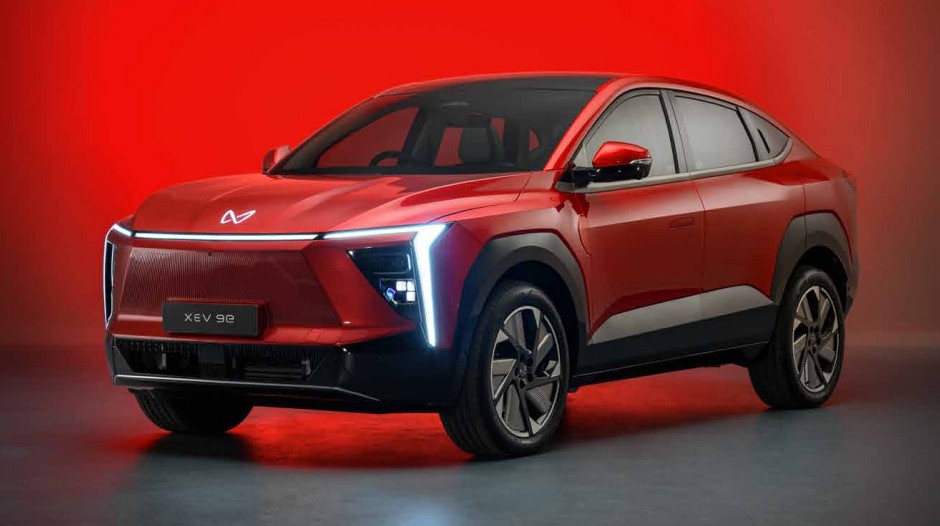
BE 6 SporteQ vs XEV 9e: Variants and Battery Options
This is where the BE 6 SporteQ gets interesting.
The supplied SporteQ specifications show battery choices around 59 kWh, 70 kWh and 79 kWh, depending on the variant.
The XEV 9e, meanwhile, uses 59 kWh and 79 kWh battery packs.
BE 6 SporteQ
Depending on the variant, you get:
- 59 kWh battery
- 70 kWh battery
- 79 kWh battery
- RWD
- Up to 210 kW motor power
- 380 Nm torque
- Multiple regenerative braking levels
- Single-pedal driving
- Multiple drive modes
The 59 kWh version produces around 170 kW, while the 79 kWh version gets the full 210 kW motor setup.
The official BE 6 specifications also confirm the RWD layout, 170 kW/210 kW motor options and 380 Nm torque.
XEV 9e
The XEV 9e has a slightly simpler battery lineup:
- 59 kWh
- 79 kWh
- RWD
- 170 kW motor with 59 kWh
- 210 kW motor with 79 kWh
- 380 Nm torque
The 79 kWh XEV 9e is therefore the performance flagship of the range.
Which has the better variant choice?
BE 6 SporteQ wins for choice.
The additional battery option gives buyers more flexibility, particularly if they want something between the entry 59 kWh version and the more expensive 79 kWh model.
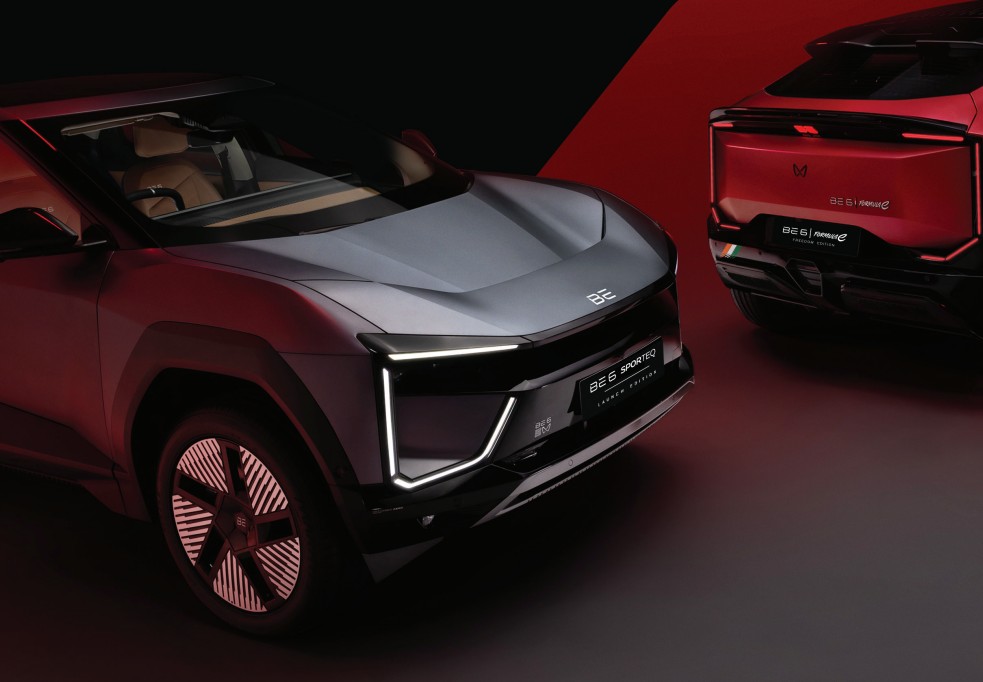
Performance: BE 6 SporteQ vs XEV 9e
This is probably the most interesting part of the comparison.
Both SUVs use Mahindra’s INGLO architecture and rear-wheel-drive layout. Both also use a 380 Nm electric motor setup, although the available motor power depends on the battery/variant.
The top-spec 79 kWh versions get 210 kW, which is roughly equivalent to 285 PS.
Mahindra’s official figures put the original BE 6’s 0-100 km/h time at 6.7 seconds, while the XEV 9e takes 6.8 seconds in their 79 kWh versions.
That’s a surprisingly small difference.
Performance comparison
| Specification | BE 6 SporteQ | XEV 9e |
|---|---|---|
| Drive | RWD | RWD |
| 59 kWh motor | 170 kW | 170 kW |
| 70 kWh motor | Up to 180 kW | — |
| 79 kWh motor | 210 kW | 210 kW |
| Torque | Up to 380 Nm | 380 Nm |
| 0-100 km/h, top version | Around 6.7 sec | Around 6.8 sec |
| Regeneration | Multiple levels + Auto | Multiple levels + Auto |
| Single-pedal driving | Yes | Yes |
And here’s the important part:
The XEV 9e isn’t dramatically faster despite being the larger SUV.
That’s because both vehicles share much of their underlying electric powertrain technology.
But the BE 6 should feel like the more exciting car to drive.
Why?
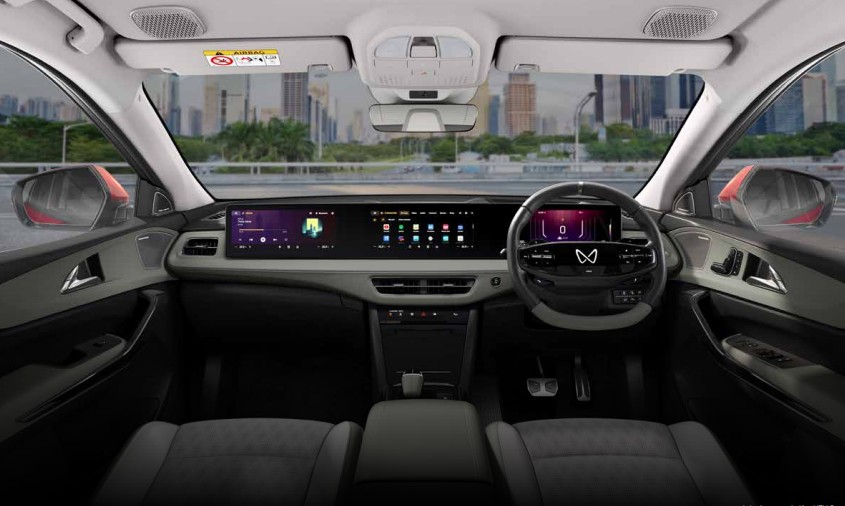
It’s 418 mm shorter than the XEV 9e while having the same 2,775 mm wheelbase. The BE 6 is 4,371 mm long, compared with 4,789 mm for the XEV 9e.
That compact footprint should make the BE 6 easier to place on narrow roads and more enjoyable for buyers who prefer a smaller, sportier SUV.
Range: Which Mahindra EV Goes Farther?
On paper, the larger battery gives both SUVs excellent claimed range.
The supplied SporteQ specifications list approximately:
- 59 kWh — 548 km
- 70 kWh — 651 km
- 79 kWh — 683 km
For the XEV 9e, the current official brochure lists:
- 59 kWh — 522 km
- 79 kWh — 656 km
These are MIDC P1+P2 certified figures, not guaranteed real-world driving ranges.
So on paper, the BE 6 SporteQ has a slight advantage, particularly with the 79 kWh version.
But don’t make your buying decision purely on these numbers.
Real-world range depends on:
- Highway speed
- Traffic
- Air-conditioning use
- Driving style
- Temperature
- Battery temperature
- Tyre pressure
- Load
Mahindra itself notes that actual charging and range performance can vary with conditions.
Space and Practicality: XEV 9e Has the Clear Advantage
This is where the XEV 9e justifies its higher price.
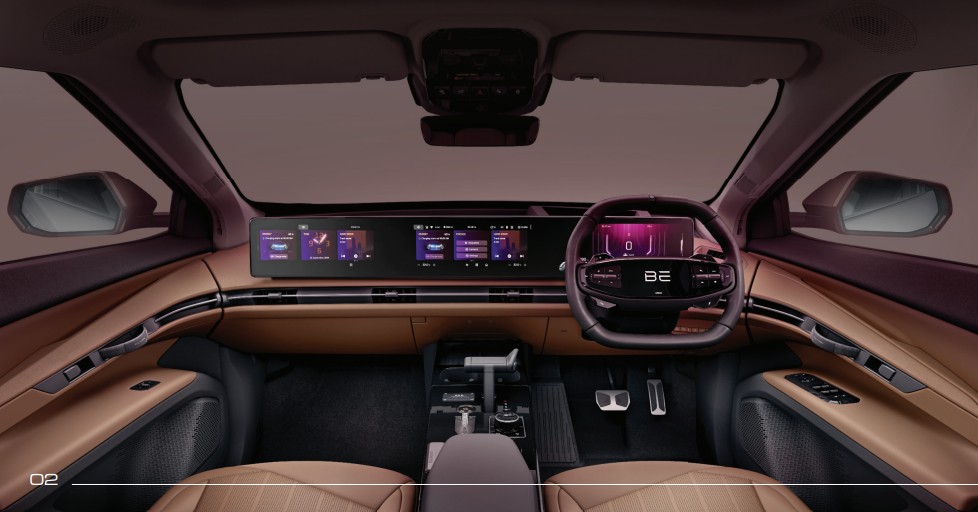
Although both cars have exactly the same 2,775 mm wheelbase, the XEV 9e is substantially longer.
Dimensions
| Dimension | BE 6 SporteQ | XEV 9e |
|---|---|---|
| Length | 4,371 mm | 4,789 mm |
| Width | 1,907 mm | 1,907 mm |
| Height | 1,627 mm | 1,694 mm |
| Wheelbase | 2,775 mm | 2,775 mm |
| Ground clearance | 207 mm | 207 mm |
| Boot | 455 litres | 663 litres |
| Frunk | 45 litres | 150 litres |
The numbers tell the story.
The XEV 9e offers 208 litres more boot space, while its frunk is more than three times the size of the BE 6’s.
If you’re travelling with family luggage, children’s bags, shopping or holiday equipment, this difference is meaningful.
The BE 6 is more compact.
The XEV 9e is more accommodating.
Charging: Very Little Separates Them
Both cars use CCS2 charging and support AC and DC charging.
Depending on the battery and charger, Mahindra claims around 20 minutes for a 20–80% DC charge with the appropriate high-power charger.
This means charging isn’t really a deciding factor between these two.
The more important question is whether you choose the 59 kWh or 79 kWh battery.
For someone who regularly drives long highway distances, I’d lean toward the 79 kWh version of either car.
For mostly city driving, the 59 kWh versions can make much more financial sense.
BE 6 SporteQ vs XEV 9e: Which One Should You Buy?
This is where I’d stop looking at specifications and think about the buyer.
Buy the BE 6 SporteQ if…
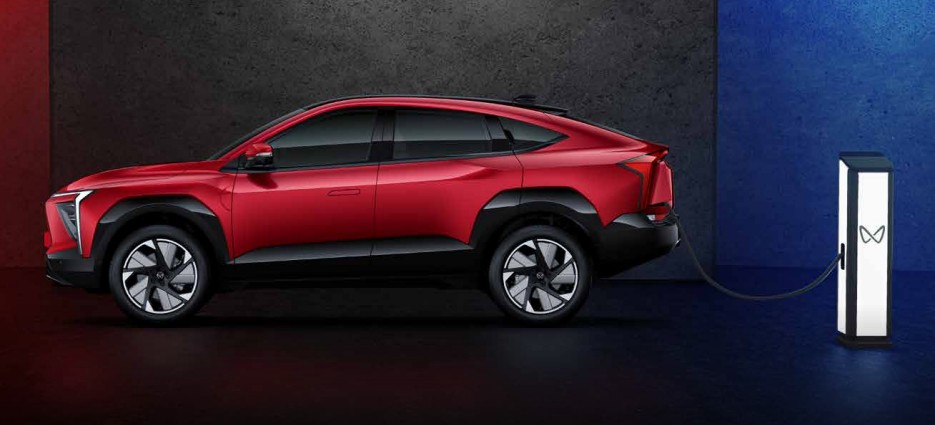
You want the more fun and compact SUV.
The BE 6 SporteQ makes sense if:
- You mostly drive alone or with a small family.
- You want a sporty design.
- You frequently drive in cities.
- Parking space is limited.
- You want strong performance without spending ₹30 lakh.
- You want a lower entry price.
- You don’t need a huge boot.
- You want more battery/variant flexibility.
The 59 kWh BE 6 SporteQ is particularly interesting for buyers who want an EV around ₹20 lakh without jumping into the higher-priced versions.
And if range is important, the larger battery versions provide plenty of headroom.
Buy the XEV 9e if…
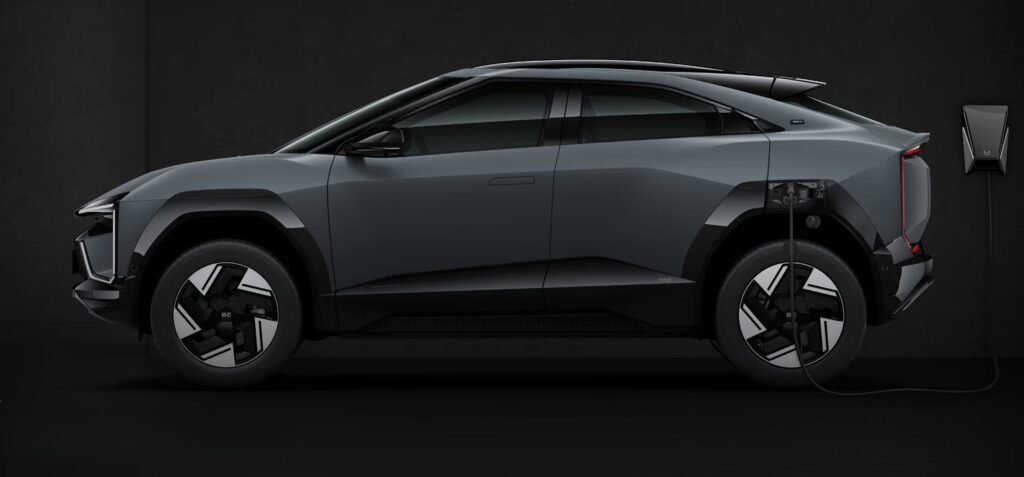
You want a premium family EV rather than a sporty compact SUV.
The XEV 9e makes more sense if:
- You regularly travel with four or five people.
- Rear-seat comfort matters.
- You carry lots of luggage.
- You want a bigger boot.
- You prefer a more premium SUV experience.
- You frequently undertake long-distance journeys.
- You don’t mind paying more for space and equipment.
The XEV 9e’s 663-litre boot and 150-litre frunk are significant advantages for family buyers.
My Verdict: BE 6 SporteQ or XEV 9e?
If we’re talking purely about value for money and driving appeal, I’d choose the BE 6 SporteQ.
It’s considerably cheaper at the entry level, significantly smaller, easier to manage in urban environments and offers very strong electric performance.
The fact that the top 79 kWh BE 6 can accelerate from 0–100 km/h in about 6.7 seconds makes it particularly attractive for buyers who enjoy driving.
But if I were buying an EV primarily as a family car, I’d spend the extra money on the XEV 9e.
The additional size, boot space and frunk space aren’t just numbers on a specification sheet—they can make a real difference every day.
In simple terms:
BE 6 SporteQ = sporty + compact + value + performance
XEV 9e = spacious + premium + family-friendly + practicality
Neither is objectively the better car.
The better choice depends on what you value more.
Also Read : Mahindra BE6 Sporteq VS Vinfast VF6 Comparison And Price
FAQs
Is the BE 6 SporteQ cheaper than the XEV 9e?
Yes. Based on the prices used in this comparison, the BE 6 SporteQ starts at ₹19.45 lakh, while the XEV 9e starts at ₹21.90 lakh, ex-showroom.
Which is faster, BE 6 SporteQ or XEV 9e?
The top 79 kWh BE 6 is marginally quicker, with Mahindra quoting 6.7 seconds from 0–100 km/h, compared with 6.8 seconds for the XEV 9e.
Which has the bigger battery?
Both can be equipped with a 79 kWh battery. The BE 6 SporteQ also offers a 70 kWh option according to the specifications supplied for this comparison.
Which has more boot space?
The XEV 9e. It has a 663-litre boot compared with 455 litres in the BE 6. It also has a much larger 150-litre frunk versus 45 litres in the BE 6.
Which is better for city driving?
I’d pick the BE 6 SporteQ. Its smaller 4,371 mm body makes it considerably easier to manoeuvre and park than the 4,789 mm XEV 9e.
Which is better for a family?
The XEV 9e is the better choice if rear-seat space, luggage capacity and overall practicality are priorities.
Do both use rear-wheel drive?
Yes. Both the BE 6 and XEV 9e use a rear-wheel-drive layout.
Which one offers better value for money?
For most buyers focused on performance and price, the BE 6 SporteQ offers the stronger value proposition. The XEV 9e asks you to spend more, but gives you substantially more luggage capacity and a larger overall SUV package.
Final takeaway
The BE 6 SporteQ and XEV 9e may come from the same Mahindra electric family, but they aren’t really fighting for exactly the same buyer.
The BE 6 SporteQ is the one I’d recommend to an enthusiast or urban buyer who wants maximum EV performance and technology for the money.
The XEV 9e is the one I’d recommend to a family buyer who values space, comfort and practicality above outright value.
And that’s probably the best thing about having both cars in Mahindra’s lineup: you don’t have to compromise on the underlying EV technology—you simply choose the body style and package that fits your life.
Related Posts:
- Mahindra BE6 Sporteq VS Vinfast VF6 Comparison And Price
- Mahindra BE6 SPORTEQ Edition Price And…
- Honda ZRV VS Skoda Kodiaq Comparison And Price :…
- Mahindra BE 6 SPORTEQ vs Hyundai Creta Electric…
- Mahindra BE 6 SPORTEQ vs TATA SIERRA EV Comparison :…
- BMW X1 LWB VS Skoda Kodiaq Comparison And Specifications