
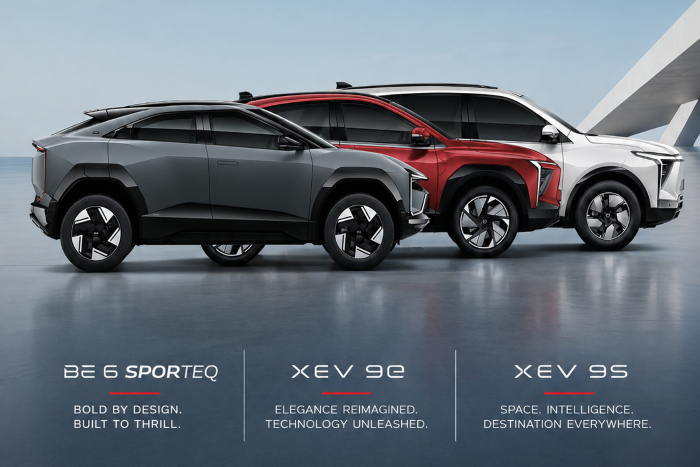
Mahindra BaaS Program Extended To All Its EV Cars In India, making its electric SUVs significantly more accessible to buyers. What was initially introduced with the BE 6 SPORTEQ is now available across Mahindra’s entire Electric Origin SUV portfolio — BE 6 SPORTEQ, XEV 9S and XEV 9e. The biggest attraction is the much lower upfront price: the BE 6 SPORTEQ starts at ₹11.45 lakh, XEV 9S at ₹12.65 lakh and XEV 9e at ₹13.90 lakh, while the battery financing is shown at an effective ₹3.75/km.
But there is an important catch: BaaS is not actually a pay-per-kilometre battery subscription. It is a dual-loan financing arrangement in which the vehicle and battery are financed separately. The ₹3.75/km figure is an illustrative affordability calculation based on 60 km/day usage and a starting battery EMI of ₹6,975.
So, is Mahindra BaaS actually cheaper in the long run? And which of the three SUVs makes the most sense with BaaS? Let’s break it down.
What is Mahindra BaaS and how does it work?
The basic idea is simple.
Under conventional EV ownership, you pay for the car + battery upfront or finance them together. With BaaS, Mahindra separates the two.
You finance:
- The vehicle separately
- The battery separately
This dramatically reduces the initial ex-showroom price.
For example, the BE 6 SPORTEQ One with the 59kWh battery is priced at ₹19.45 lakh without BaaS, while the BaaS price is ₹11.45 lakh. That means the displayed vehicle price falls by ₹8 lakh, although the battery financing still has to be paid separately.
The same ₹8 lakh reduction applies to the starting XEV 9S and XEV 9e prices when comparing their respective starting prices.
Important: BaaS prices exclude charger and installation, road tax, insurance, TCS and other applicable statutory charges. Finance approval and actual EMI depend on the financier, battery size, down payment and tenure.
Mahindra BaaS Prices: BE 6 SPORTEQ
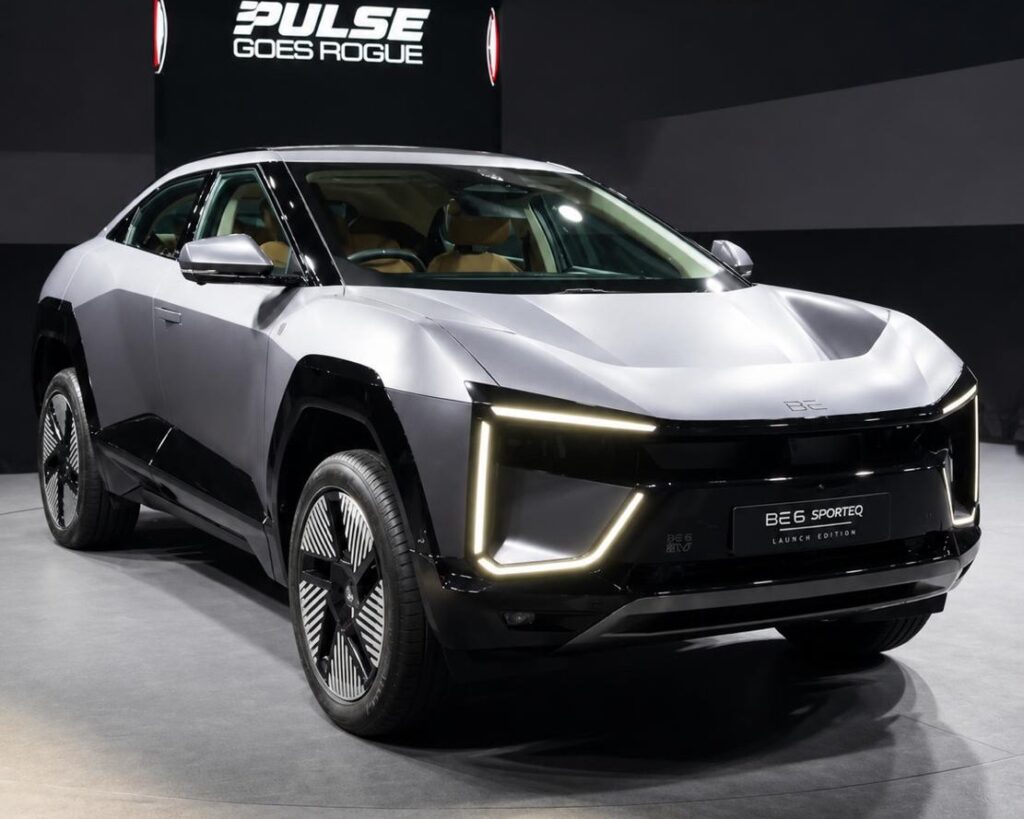
The BE 6 SPORTEQ has the widest BaaS variant choice of the three SUVs.
| Variant | Battery | BaaS Price |
|---|---|---|
| ONE | 59 kWh | ₹11.45 lakh |
| TWO | 59 kWh | ₹12.95 lakh |
| THREE | 59 kWh | ₹13.95 lakh |
| THREE | 70 kWh | ₹13.95 lakh |
| THREE+ | 70 kWh | ₹14.95 lakh |
| THREE+ | 79 kWh | ₹14.95 lakh |
| FOUR | 79 kWh | ₹16.95 lakh |
| LAUNCH EDITION | 79 kWh | ₹16.95 lakh |
| FE | 79 kWh | ₹14.45 lakh |
| FE FOUR | 79 kWh | ₹16.95 lakh |
These are the variant-wise BaaS prices listed by Mahindra.
The interesting part
The FE variant at ₹14.45 lakh is particularly interesting because it gives buyers a 79kWh battery at a much lower upfront price than several other 79kWh versions.
For buyers who want the larger battery but don’t necessarily need the highest equipment level, this could be one of the most attractive BaaS combinations in the entire range.
Mahindra XEV 9S BaaS Prices
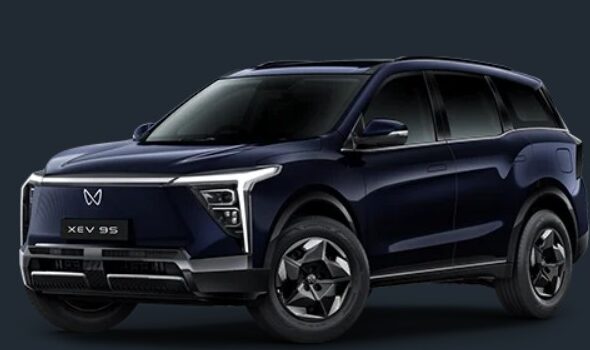
The XEV 9S is arguably the most interesting SUV in this programme because it is a 7-seater electric SUV, and BaaS brings its starting price down dramatically.
| Variant | Battery | BaaS Price |
|---|---|---|
| ONE ABOVE | 59 kWh | ₹12.65 lakh |
| ONE ABOVE | 79 kWh | ₹12.65 lakh |
| TWO ABOVE | 70 kWh | ₹16.05 lakh |
| TWO ABOVE | 79 kWh | ₹15.95 lakh |
| THREE | 79 kWh | ₹17.85 lakh |
| THREE ABOVE | 79 kWh | ₹19.95 lakh |
There is one standout here: XEV 9S One Above with the 79kWh battery at ₹12.65 lakh BaaS price.
That is remarkable from an upfront-cost perspective. The regular XEV 9S range starts at ₹19.95 lakh, while the BaaS entry price is ₹12.65 lakh.
For a family looking for a large seven-seater EV but struggling with the conventional upfront price, this is probably the strongest argument for BaaS.
Mahindra XEV 9e BaaS Prices
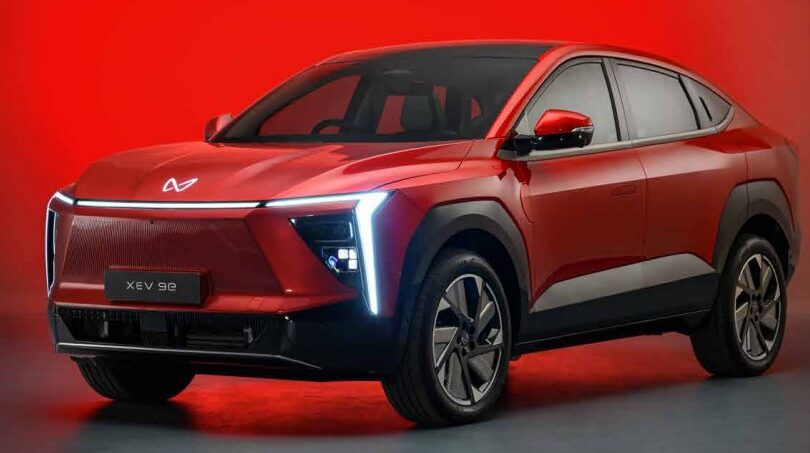
The XEV 9e is the premium, technology-focused SUV of the three.
| Variant | Battery | BaaS Price |
|---|---|---|
| ONE | 59 kWh | ₹13.90 lakh |
| TWO | 79 kWh | ₹16.50 lakh |
| THREE CINELUXE | 79 kWh | ₹19.35 lakh |
| THREE | 79 kWh | ₹20.50 lakh |
The starting XEV 9e BaaS price of ₹13.90 lakh is ₹8 lakh below its regular starting price of ₹21.90 lakh.
The XEV 9e Two with a 79kWh battery at ₹16.50 lakh looks particularly compelling if your priority is battery capacity and premium EV capability rather than choosing the most expensive trim.
₹3.75/km: Is Mahindra actually charging you per kilometre?
No. This is probably the most important thing buyers need to understand.
The ₹3.75/km figure is not a pay-per-kilometre charge.
Mahindra says the starting battery EMI is ₹6,975 and the ₹3.75/km figure is calculated assuming 60 km of daily driving.
The calculation is:
60 km × 31 days = 1,860 km/month
₹6,975 ÷ 1,860 = ₹3.75/km
But your battery EMI doesn’t automatically change every time you drive more or less. It is determined by the finance agreement.
This means the economics change depending on how much you drive.
Illustrative battery-financing cost
Assuming the ₹6,975 starting EMI:
| Daily Usage | Approx. Monthly Usage | Effective Cost |
|---|---|---|
| 30 km/day | 930 km | ₹7.50/km |
| 60 km/day | 1,860 km | ₹3.75/km |
| 90 km/day | 2,790 km | ₹2.50/km |
| 120 km/day | 3,720 km | ₹1.88/km |
This is where my biggest BaaS advice comes in: high-mileage users can get considerably better value from the fixed battery EMI, while low-mileage users may find the effective cost per kilometre much higher.
These are illustrations using Mahindra’s starting EMI, not quotations for individual customers.
Long-Term Cost of Mahindra BaaS
Let’s look at the starting battery EMI from another angle.
At ₹6,975/month:
- 1 year: ₹83,700
- 3 years: ₹2.51 lakh
- 5 years: ₹4.19 lakh
- 7 years: ₹5.86 lakh
- 8 years: ₹6.70 lakh
However, these figures should not be treated as the actual battery-financing cost for every variant. Mahindra clearly states that the EMI changes according to battery size, down payment and loan tenure.
So the real question isn’t simply:
“BaaS saves me ₹8 lakh.”
The correct question is:
“How much am I saving upfront, and how much will the separate battery financing cost me over the period I intend to own the car?”
That calculation should be done using the exact financier quotation before buying.
Is BaaS Cheaper for Long-Term Ownership?
This is where things become more complicated.
Short-term ownership
BaaS makes a lot of sense if your priority is reducing the initial capital requirement.
Instead of arranging ₹19–22 lakh-plus for the starting versions, the displayed vehicle price falls to around ₹11–14 lakh before the separate battery financing and other charges.
That’s a substantial difference.
Medium-term ownership
For a buyer keeping the vehicle for 4–6 years, BaaS can still be attractive, particularly if the lower initial investment allows you to choose an EV you otherwise couldn’t afford.
But you must calculate:
Vehicle EMI + Battery EMI + Charging + Insurance + Maintenance
rather than looking only at the advertised BaaS price.
Very long-term ownership
This is where I would be more cautious.
If you plan to keep your EV for 8–10 years, you need to understand the battery-financing tenure and what happens after the battery loan ends.
BaaS does not magically make the battery free. You are financing the battery separately, so the long-term financial benefit depends heavily on the loan terms.
Which Mahindra EV Makes the Most Sense With BaaS?
Best value: BE 6 SPORTEQ
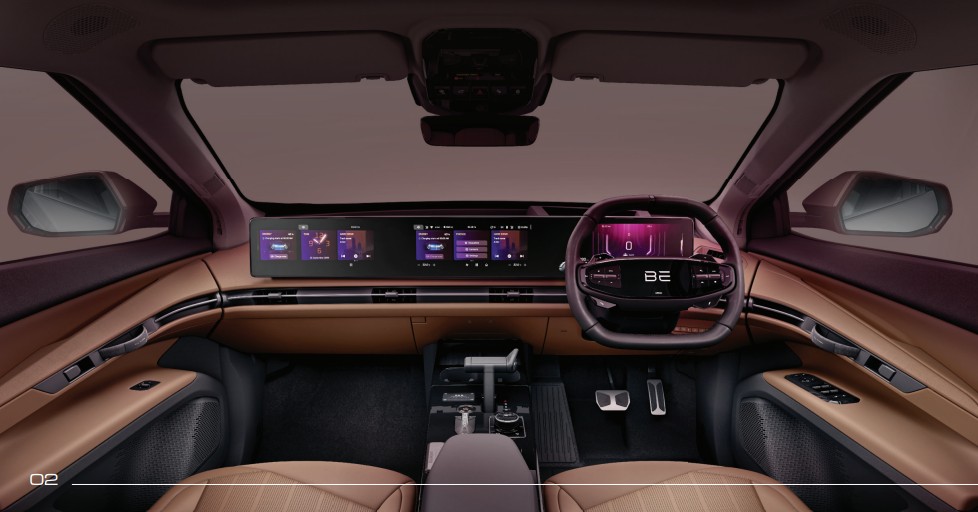
The BE 6 SPORTEQ is the most attractive choice if you’re looking for a sporty, technology-heavy EV while keeping the initial investment under control.
The ₹11.45 lakh BaaS starting price is extremely aggressive, and the availability of BaaS across all its variants makes the choice much broader than when the programme was first introduced.
Best for families: XEV 9S
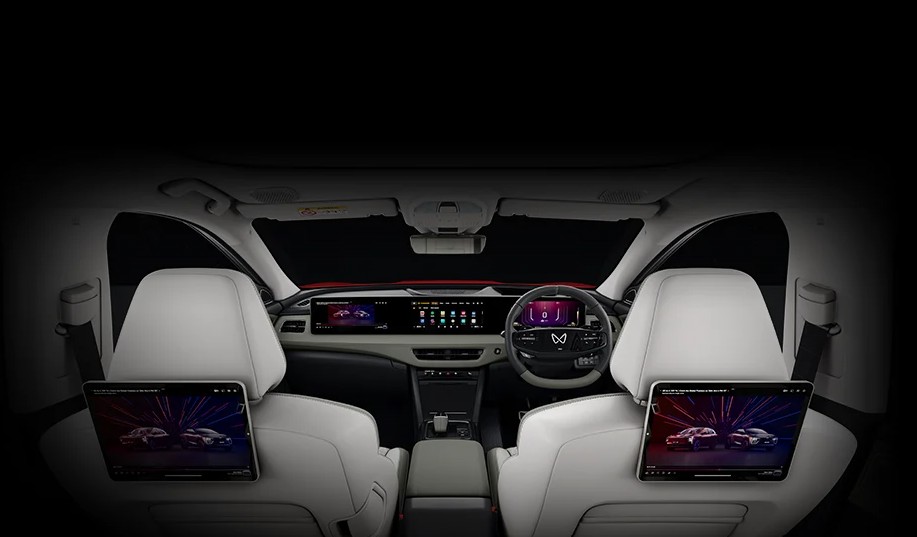
If you need space, the XEV 9S is my pick.
It’s a seven-seater, and its BaaS starting price of ₹12.65 lakh completely changes its affordability proposition.
The 79kWh One Above at the same ₹12.65 lakh BaaS price shown in Mahindra’s table is particularly interesting.
Best premium option: XEV 9e
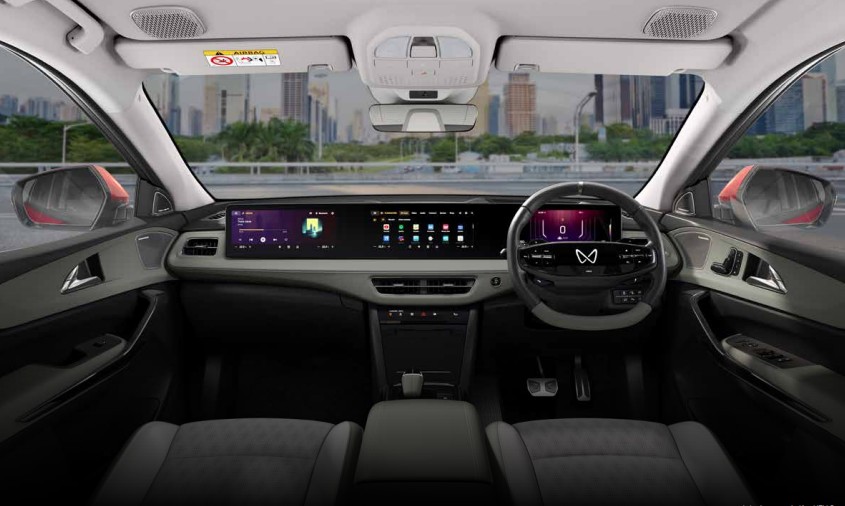
The XEV 9e makes more sense for buyers who want a more premium and technology-focused EV rather than maximum practicality.
The ₹16.50 lakh BaaS price for the 79kWh Two variant is probably the sweet spot for someone who wants a larger battery without moving all the way to the expensive top-end versions.
Who Should Buy a Mahindra EV With BaaS?
BaaS makes sense if you:
- Want to reduce your upfront investment.
- Drive the car regularly.
- Expect reasonably high annual kilometres.
- Want a premium EV but don’t want to pay the complete battery-inclusive price upfront.
- Prefer spreading battery financing separately.
- Plan to keep the vehicle for a period that matches the financing structure.
- Have stable finances and can comfortably manage two EMIs.
I would avoid BaaS if you:
- Drive very little every month.
- Prefer owning the entire car and battery outright.
- Plan to keep the vehicle for a very long period without wanting a separate financing obligation.
- Are choosing the scheme purely because the ₹11.45/₹12.65/₹13.90 lakh headline price looks cheap.
- Have not checked the actual battery-loan interest rate, tenure and total repayment.
Also Read : Mahindra BE 6 SPORTEQ vs MG Windsor EV Comparison : Price, Variants, Performance & BaaS Compared
Expert Verdict: Is Mahindra BaaS Worth It?
Yes — but only if you understand what you’re buying.
Mahindra’s BaaS programme is a clever way of solving one of the biggest problems with expensive EVs: the upfront price. Bringing the BE 6 SPORTEQ to ₹11.45 lakh, XEV 9S to ₹12.65 lakh and XEV 9e to ₹13.90 lakh makes these SUVs look dramatically more accessible.
But buyers should not mistake the BaaS price for the total price of the EV.
The battery is being financed separately.
My advice would therefore be simple:
If you drive a lot, want a lower upfront cost and are comfortable with dual financing, BaaS can be a smart EV ownership strategy. If you drive very little or intend to own the car for many years, compare the complete loan repayment against the conventional battery-inclusive purchase before making the decision.
For most buyers, I would personally look closely at the BE 6 SPORTEQ for value and the XEV 9S for family use. The XEV 9e BaaS is more compelling for someone specifically looking for its premium positioning and features.
And remember: ₹3.75/km is an illustrative financing metric, not a literal battery usage charge. That single distinction could make the difference between understanding Mahindra BaaS properly and misunderstanding the offer.
Related Posts:
- Mahindra BE6 Sporteq VS Vinfast VF6 Comparison And Price

- Mahindra BE6 Sporteq VS Mahindra XEV 9E Comparison :…
- Mahindra BE 6 SPORTEQ vs Hyundai Creta Electric…

- MG Hector Tomahawk EV vs Mahindra XEV 9S Comparison…

- Mahindra BE6 SPORTEQ Edition Price And…

- Mahindra BE 6 SPORTEQ vs MG Windsor EV Comparison :…

1 thought on “Mahindra BaaS Program Extended To All Its EV Cars In India : Prices, Cost Analysis and Long-Term Ownership.”
Comments are closed.