Cars has changed a lot is terms of the technology car safety has become a central point of discussion. Buyers are also becoming aware and giving priority to the safe cars. But a little is known about the safety features of a car. Here we will discuss what are the safety features of a car and how they really work. Is it just a marketing strategy or these features really make your cars safe?
What are the safety features in cars?
Cars in 1980’s had about 4 to 5 safety features but in present modern days cars now have almost 30 to 40 safety features. But what they means to you and how these safety features help in getting you free from injuries. There are type of safety feature knowns as Active Safety Features and Passive Safety Features. These features help in getting minimum impact on the body of a person sitting inside. There are safety features defined as follows

- Structural integrity– Defines the build quality of a car.
- ADAS– it includes Adaptive Cruise control, Lane keep assist, forward collision warning, blind spot monitoring, traffic signal detection, adaptive headlight, collision breaking etc.
- ABS– this system helps in preventing the breaks getting locked. It smoothens the friction and try to stop the car in a more stable manner.

- Airbags– Help in getting less injury by saving face during sudden collision impact.

- Seat belts– keep passenger firmly fixed on the seat so that frontal movement can be minimized.
- Head Rests– Most under rated safety features. It helps in saving the neck when sudden impact travels inside the car.
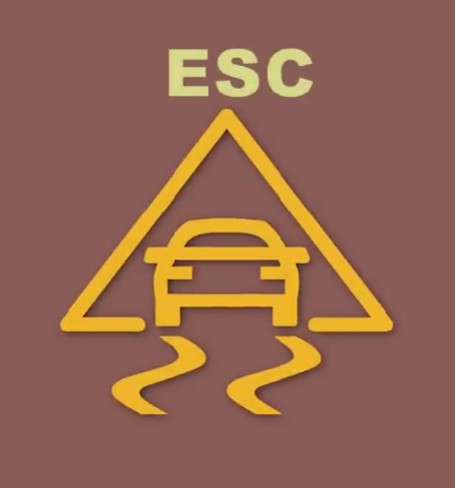
- ESC (Electronic Stability Control)- It helps in keeping car stable while taking sharp turns. Electronically send the information to the ECU.
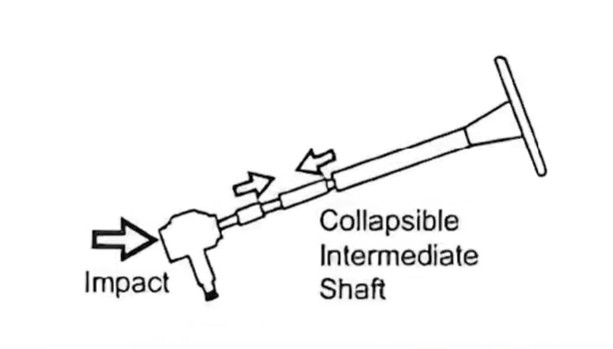
- Collapsible Steering Column– it adds to the safety of the chest by getting steering collapsed. While driving if the car gets collided then it reduces the impact.
- Traction Control– Also keep the car stable when any of the wheel losses control. It transfers the power from one wheel to another to reduce its spinning.
Top 10 Safety Features In Cars
- ABS (Anti-lock Breaking System)– It is most basic active safety feature which is find almost all the cars now. The work of the ABS is to prevent locking of the wheels of a cars while applying breaks. Because locking of wheel causes the car to flip. Thus due to wheel lock chances of getting the accident becomes higher. The wheels need high friction to stop a car but here friction becomes less not enough to stop the car. (Kinetic friction vs Static Friction).
As we apply sudden breaking the sensors on the wheel called as speed sensors send the information to the ECU. These sensors tell the modulator that which wheel is going to get locked. On receiving such information the break modules release the breaks on that particular wheel. This process happens on and off in the form of a Rhythmic movement and it is done in microseconds. Sometimes 10-15 times in a second and do not allow wheel to get locked suddenly.

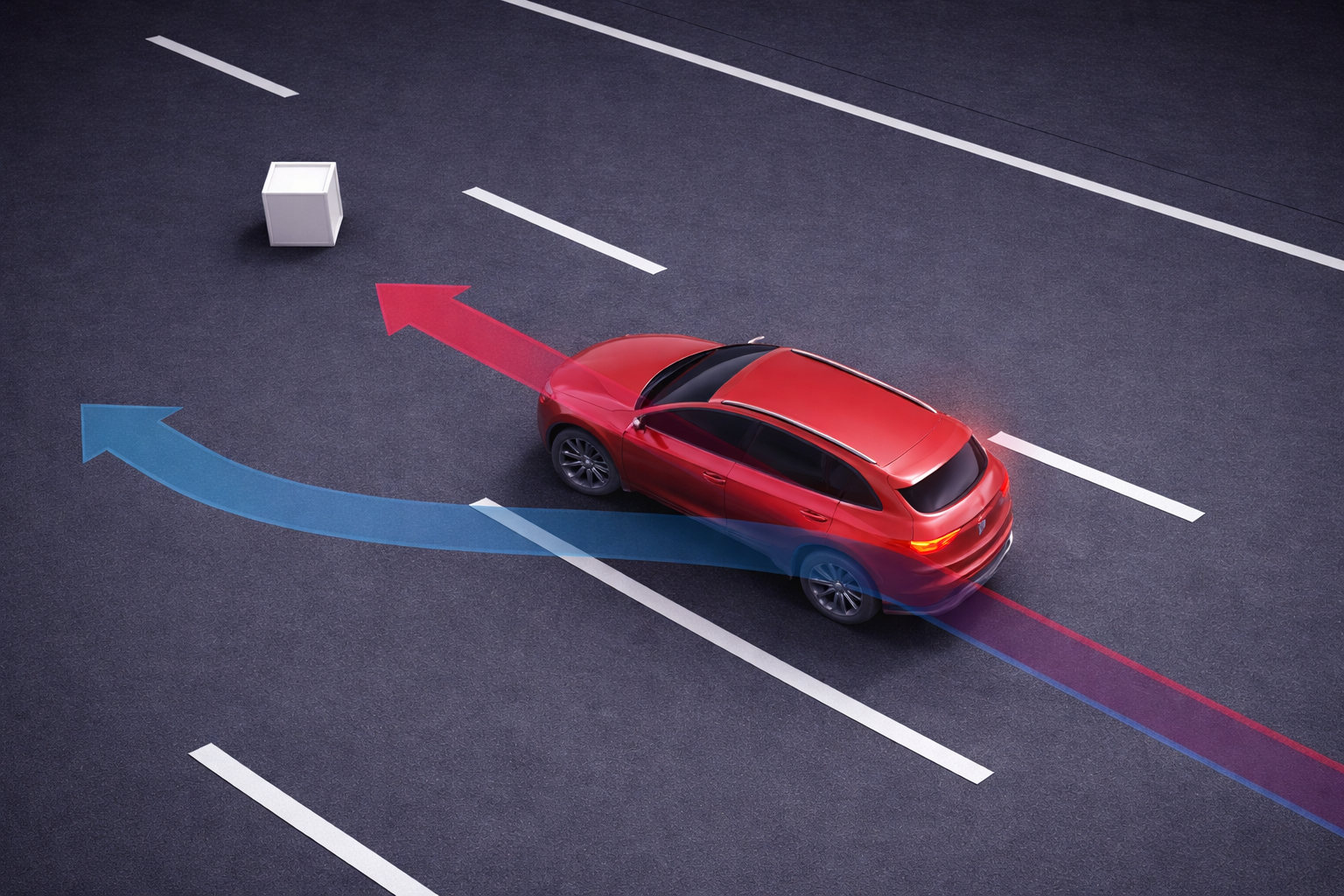
- ESC/ESP (Electronic Stability Control/ Program)– This program come into effect when you need to take abrupt turn. When the car needs a sudden turn the ESC help in control the breaking on individual wheel and apply breaks on that particular wheel. This helps in preventing the car to skid. A computer programmed chip decides how long the break should be applied and which break should be applied. There are sensors which send the information to the ECU like Speed sensors on the wheel. Hydraulic unit which help in apply and release pressure in seconds. The steering sensors and the control unit also help in entire process.
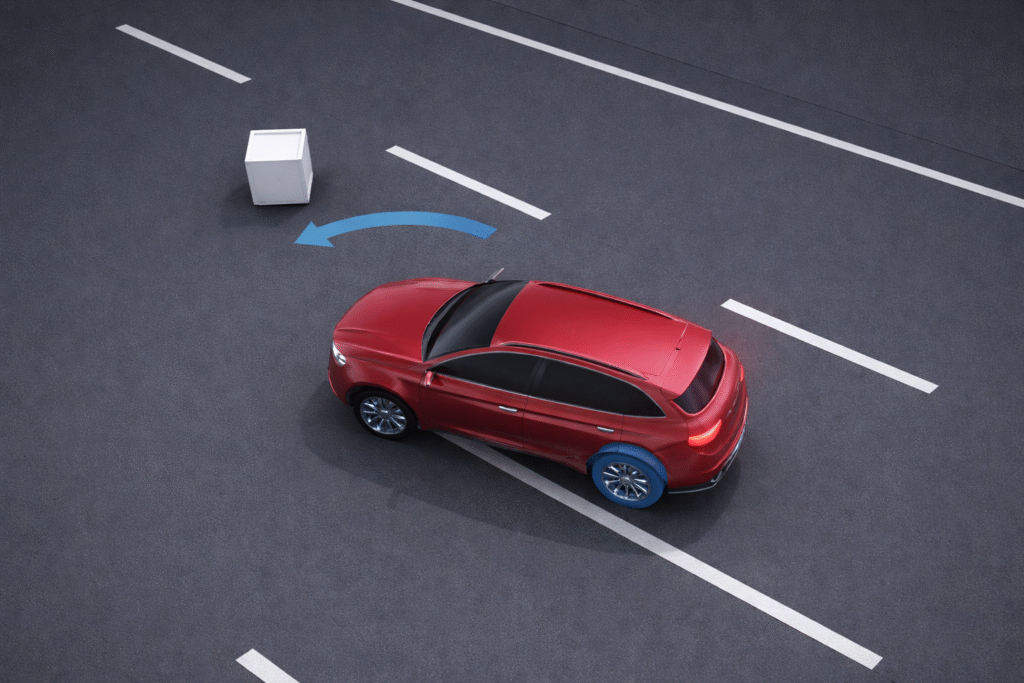
- Traction Control– Traction control works in combination of above two features. The main purpose of traction control is to save the car from getting slipped. There are two ways a car can get slipped. First by applying breaks and by reducing the engine speed. Traction control sense one wheel of a car is spinning faster than other wheel then it sends signal to ECU to reduce its traction. The ECU then help in sending the power to other wheel so that it will prevent slipping. In some conditions the Traction control system cut the engine power also so that slipping is under control.

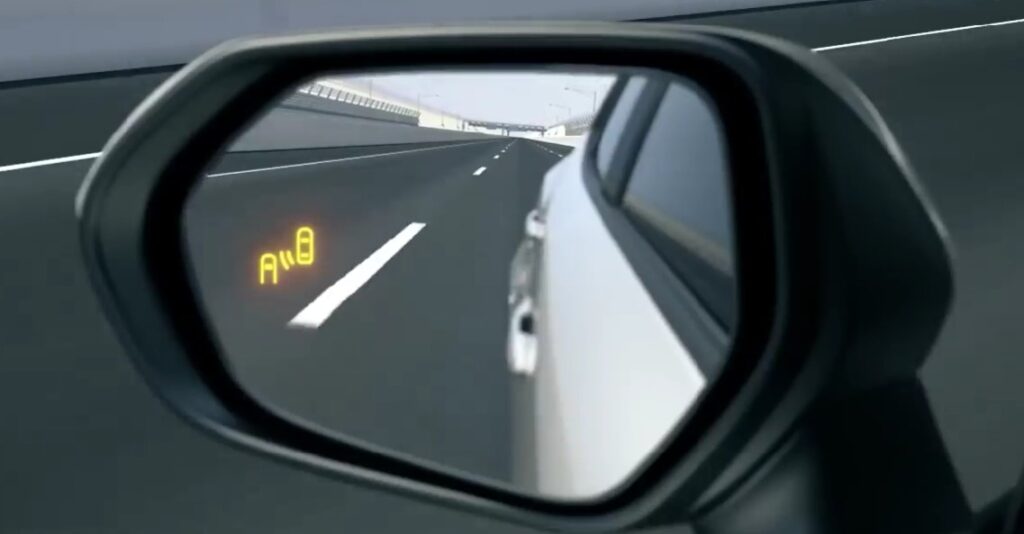
- ADAS (Advanced Driver Assistance System)– Not a individual safety feature but when different types of driver assistance safety feature combined together we call it ADAS. Like blind spot monitoring system equipped with ultrasonic sensors. They are typically located at the side of a car also in some at the back. When another car or an object comes close to your car then the sensor indicates incoming vehicle and alert the driver using blinkers.

- Adaptive cruise control and collision prevention is also one of this kind of radar based system, in normal cruise control the car runs on a fixed speed but the Adaptive Cruise Control is inbuilt with radar which continuously emits the radio waves and sense the car going ahead. It sense the speed and breaking also. ADAS can calculate at what time the car is going to get stop. It follows and then apply breaks accordingly. ADAS can also sense any object if comes suddenly in front of your moving vehicle and applies break.
- Lane keep assist and lane departure warning is also the part of ADAS. The car is equipped with front facing camera which observe the lanes and according to the marking on the lane it help the car to move in single lane only. Also the ADAS takes help from the GPS which tells the situation of the road even before it reaches the destination. These are the same features that work actively in making a car driverless. We call it Autonomous Driving Cars.

- Structural integrity– The structure are made in such a way that it can absorb the shock at its maximum, it also can absorb the energy which gets producsd because of impact of the collision. It include platform build on solid beams on the front and on the sides wall of the internal structure. It works in getting less impact on the doors also. The highway stability of the car depends much on its structural integrity.
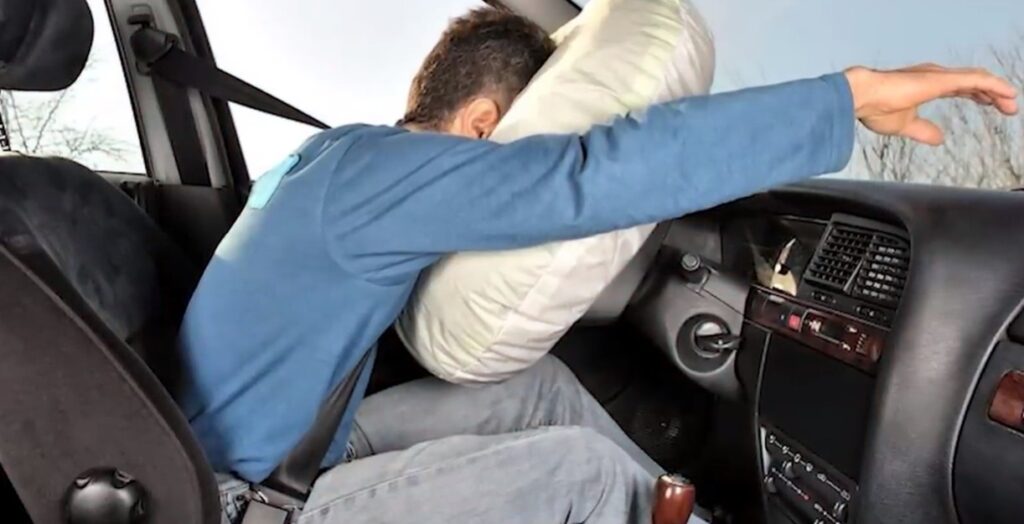
- Air Bags-Air bag means a balloon type fiber bags contains air. It is a bag made of a flexible fabric. When the accelerometer sense the car collision or it sense the car getting stop suddenly then then the sensors send the information to an inflation module. The inflation module then starts a chemical reaction which is typically contains Sodium Azide. Due to this chemical reaction nitrogen gas released quickly and this gas inflates the airbags in just 50 milli Seconds. It saves head, face and front chest from getting injured by the steering wheel.
- Safe Steering– These are shock absorbing steering built with the flexible column which can collapse during the head on collision of a car. They are developed in such a way that it can absorb all the impact on it and do not let the driver injured, it minimizes the impact of collision by the steering on the driver’s chest or head by making a distance between itself and the driver.
- Seat Belt– are the first and the oldest safety feature that the cars were getting in past time also. It saves the passengers by getting it tight when sudden breaking happens. in some luxury cars it gets tightened even just by sensing the speed of a car even before the breaks come into effect. It saves a person by holding him tight to the seat so get minimum impact on the body inside.
- Head rest– These is a chance of head and neck getting injured severely if you car gets collided from back or front. Your neck and your spinal cord can get damaged. It may affect your breathing capacity and can stop oxygen to reach to your brain and can cause sudden death. So to prevent this the cars are given head rest to save from this type of injury. So headrest should be added to a safety feature also. Before buying a car we should always check for the headrest. It should be big enough to cover the head properly.
- Child safety/ ISOFIX mount (International Standards Organization Fix)- This include the standard that is being followed globally to get a fixed universal seat mounting fix for a child seat. Specially on the rear seat. It is a fixed point that comes within the seats and used for a compatible child seat which can get fixed on it. This child seat helps the child get a secure position, it reduces the movement of the child while driving and getting hurt, this seat stays firmly, any type of forces gets distributed and keep child safe, there is a less forward movement of a child using this belt.
Also Read: How Car Safety Rating Is Calculated?
Active Safety Features In Car
These are the features that help in stopping cars from getting crash even before the crash happen. They are very useful and uses high end technology. They mainly depends on different sensors. The active features follow the complex structure so needs maintenance. The example of Active safety features are ABS, ADAS, ESC/ESP, Traction control etc. As the name suggest they work actively for the safety of a passenger.
Passive Safety Features In Car
Passive safety features are those that help in making people save after the accident happens. The example of Active safety features are Seat belt, Airbags, Body Shell Structure, ISOFIX mount, Head rest, Collapsible Steering etc.
Very interesting and useful too, but mechanically not that complex and equipped like active safety features, so that they have less maintenance than active one, but they required to be replaced entirely on their deployment. Example- Airbags.