
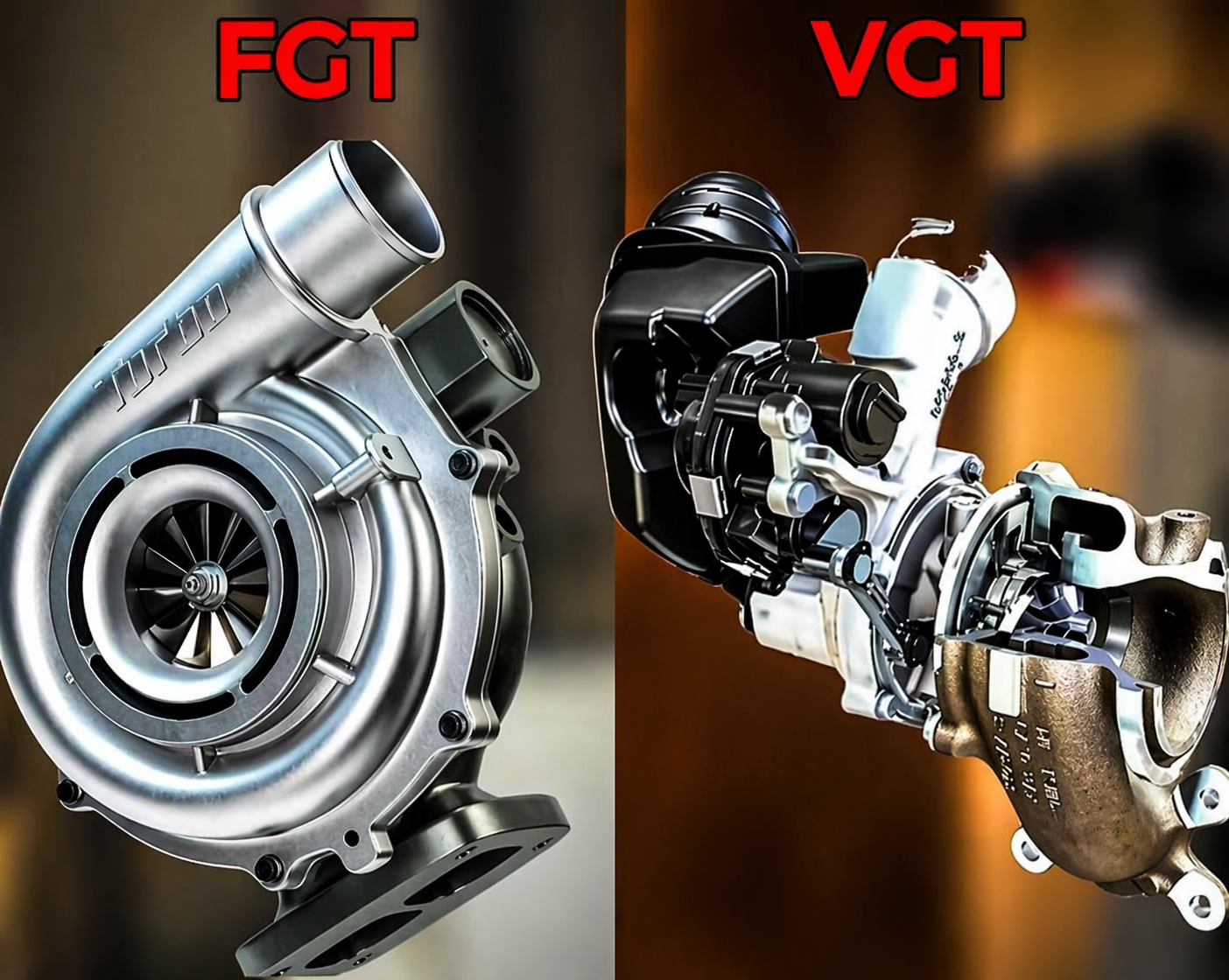
The turbocharger in an engine mainly used to increase the power and performance of an engine without increasing the size of the engine. So there are two popular types of turbo FGT vs VGT which are majorly being used in cars today. So we will understand the differences among them and we will also see the benefits of a turbo in this topic today.
Fixed Geometry Turbocharger vs Variable Geometry Turbocharger
So to increase power from an engine we needed to increase the size of the engine. So bigger engines were developed in past time. Those engines were then able to produce high power but still there were some limitations with them like as follows
- Large in size so proper fitting was not easy.
- Big engines means there was high fuel consumption.
- High exhaust gases and more pollution.
- More and more harmful gases being generated.
- If large in size means large weight and heavy parts needed. It was increasing cost of the final products.
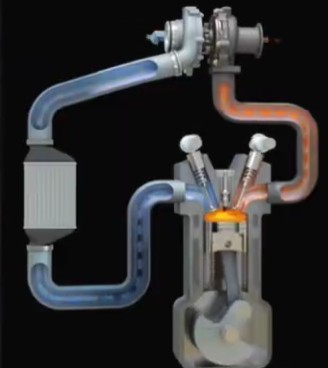
So due to such limitations it was decided to keep the engine size small. But to increase power from the engine a Turbocharger was invented. A Turbo is basically used to provide extra air to the combustion chamber so that the combustion becomes more efficient and the engine is able to generate more power. For it to work the Turbo makes use of the Exhaust gases. These gases are send inside the turbo and it compress the air and sent back to the combustion chamber.
There are many types of a Turbocharger but here we are talking about the two types of turbo FGT vs VGT.
Also Read: How to Maintain Turbo Engines
What is a FGT turbocharger?
FGT stands for Fixed Geometry Turbo. In FGT the exhaust gases have a constant air flow. This turbo has a fixed geometry formation and its geometry does not depend on the flow of air. Which means the size where the turbine is kept remains same. So it will start work only when a certain flow of exhaust air is available. At lower air velocity it will not be able to move turbine so there will be a turbo lag. Although the actuators are there which are used to maintain the flow of air but still it is not that efficient.
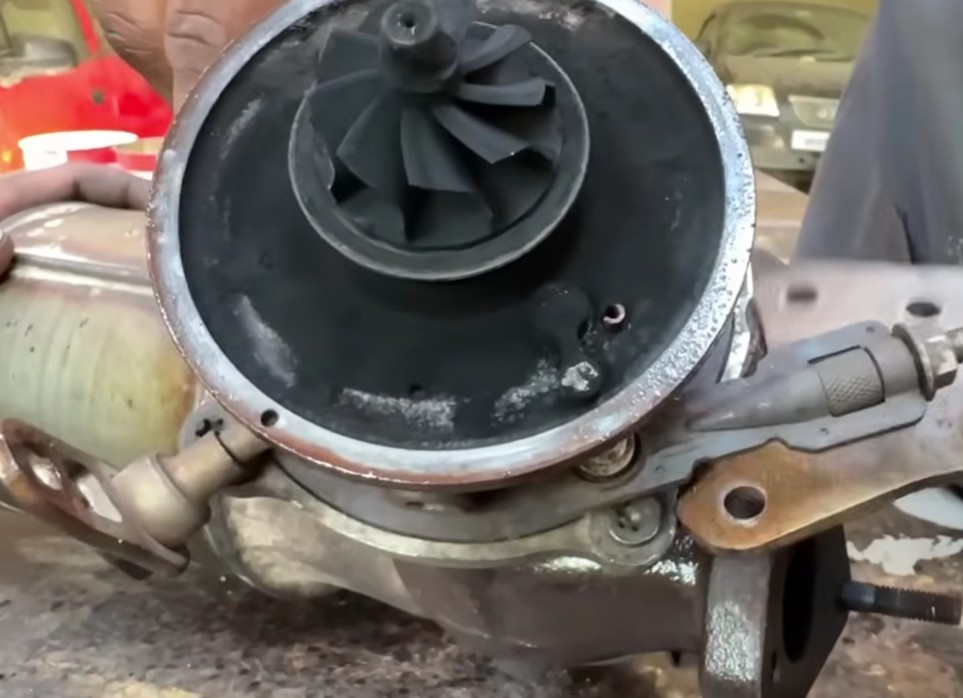
This type of turbo has same Aspect Ratio, means area of incoming wall and outgoing wall remain fixed. Which means if the exhaust gases is coming at a low velocity then its velocity can not be increased beyond a fixed ratio. Also if the velocity of the exhaust gases is increased high then we can not control that in FGT. In increased velocity condition back pressure is generated. Because of the high pressure from the exhaust gases incoming air is enters the turbo with high volume and it does not get proper passage to pass through.
In FGT type of turbocharger it becomes difficult for Turbine to always provide a smooth power delivery at different RPMs. The FGT turbo performs better in a constant RPM conditions usually higher and deliver good efficiency. The limitation is only that they have less flexibility. That means in varying speed conditions FGT is not able to manage itself and do not perform well. That is why FGT means a fixed geometry turbo whose geometry do not vary a lot. There is a problem of turbo lag at lower RPMs in simple words.
VGT turbocharger Working
There was a need for a turbo to work like a smaller turbo charger and like a large size turbocharger, because a large size turbocharger is able to reduce backpressure at high RPMs by accepting more exhaust gases, but it can not handle the turbo lag at low RPMs due to large geometry and low pressure. Similarly a small turbo charger can not handle back pressure generated when the engine is at high RPMs during which more exhaust gases are incoming and it has small geometry, but it can reduce the turbo lag at lower RPMs.
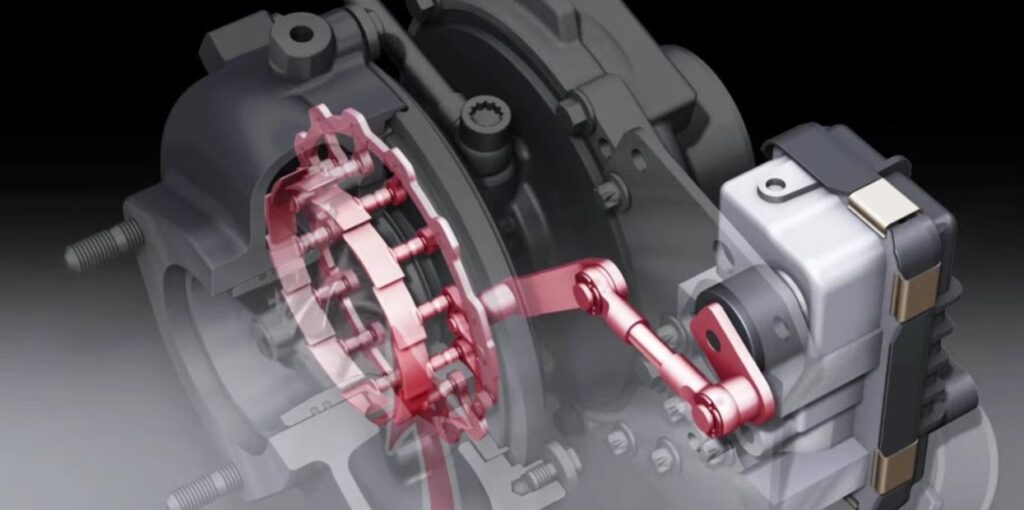
In simple words the need was to maintain proper flow of turbine at low RPMs and also at Higher RPMs which means a variable size of the duct was needed to maintain velocity of the gases. So there were vanes installed at the edge of the turbine blades which are able to open and close and thus increase in size. They form lower geometry as well as higher geometry as and when required. These vanes are connect through an Actuator. The actuator moves the vanes after taking the command from the ECU which act after the decision related with the RPMs. This type of turbo called as Variable Geometry Turbo in short VGT.
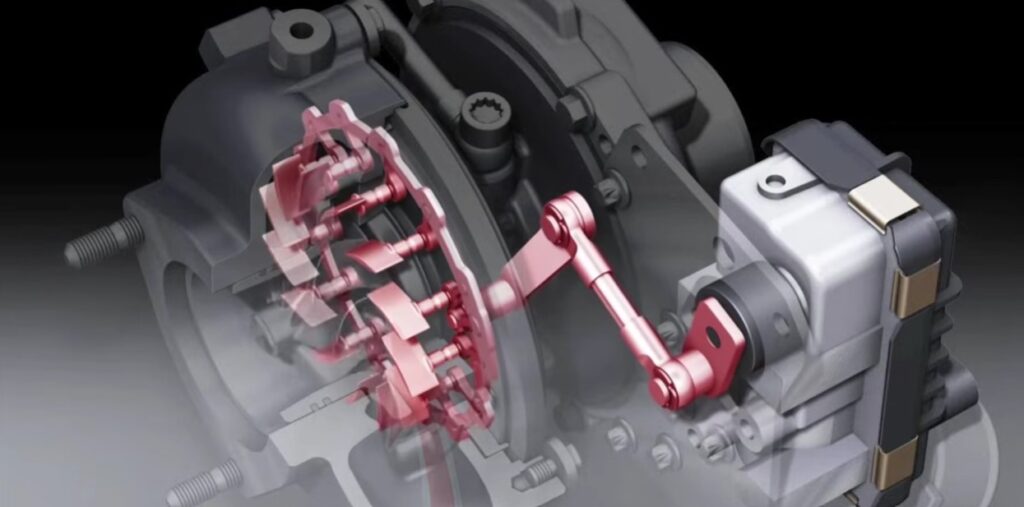
In VGT which a variable geometry (variable size) can manage the air intake better. The VGT regulates the exhaust gases as per the requirements. It can decide the amount of air needed in the turbo from time to time. To handle this there is an Actuator operated stator vanes installed, which regularly gets open and close as per the requirement of the air needed in that turbo. The decision making is done by the ECM that what is the demand of air what power is needed. What kind of flexibility is needed what is the road condition at that time.
It means VGT performs very well even in the variable load conditions, that is why the VGT gives a very good performance at different RPM bands (at low RPMs) and at different speed as well. Also VGT has one more specialty that it can minimize the turbo lag to a very good extent. There will still be a turbo lag it just minimizes not remove it completely. The performance of a car depends on the turbo types and its size also (like FGT or VGT). It creates a difference in the performance of that car,
Also Read: Verna turbo GDI vs Virtus TSI which is better
Disadvantages of Variable Geometry Turbocharger
The VGT has a more complex structure so it is needed to have proper maintenance. The heat generation is higher in turbo so there should be special focus on the cooling mechanism. More electronics are used in a VGT type of turbocharger. Also parts of VGT are expensive. This is a more sophisticated and there is more mechanics involved so it is more expensive. The upfront cost is more as well as maintenance cost will be more. Servicing it will require a trained person and which is done in a secure environment. So service center availability is a must.
Variable Geometry Turbocharger is used in which vehicle
Usually the VGT is used in a high end performance cars. It can be used in petrol and diesel cars also. Skoda, Volkswagen, AUDI groups uses it in their engines. Some high end performance vehicle companies like Porsche, FIAT, JEEP also used it in their cars. In India this type of turbo is coming in Skoda and VW’s 1.5 L TSI Petrol engines. Example Kushaq 1.5 TSI, Slavia 1.5 TSI, Taigun 1.5 etc.




5 thoughts on “Types of turbo FGT vs VGT”