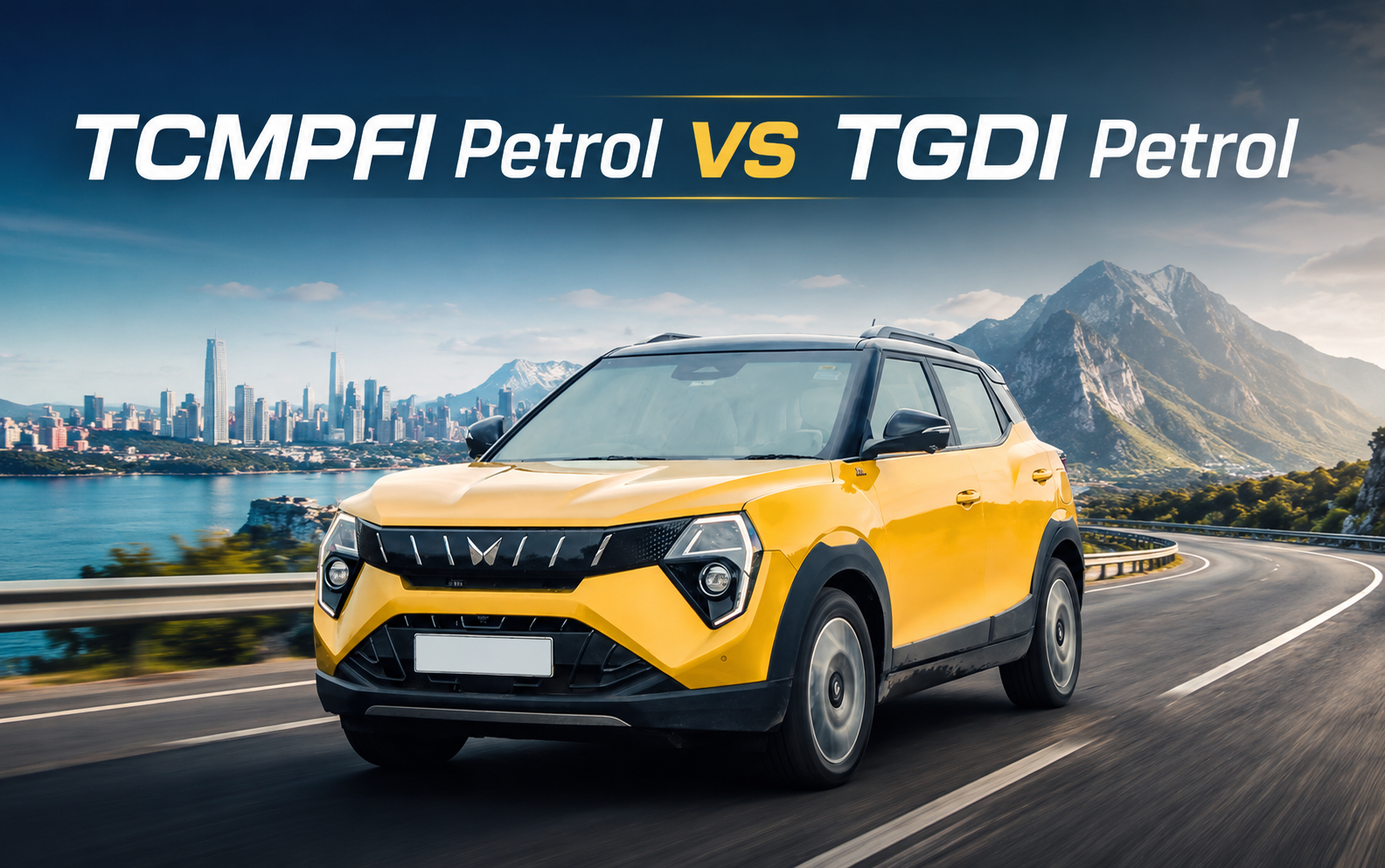
Mahindra 3XO is a subcompact SUV car which comes with 3 engine options. Among all 3 one is a Diesel engine. Other two options are petrol TCMPFI engine and petrol TGDI engine. Both engines are gasoline powered, and today we try to take a closer look at each of them to eliminate any confusion. We will talk about both the engines and find out Mahindra 3XO TCMPFI vs TGDI engine which is better and which one you should buy?

Mahindra 3xo Engine Specifications
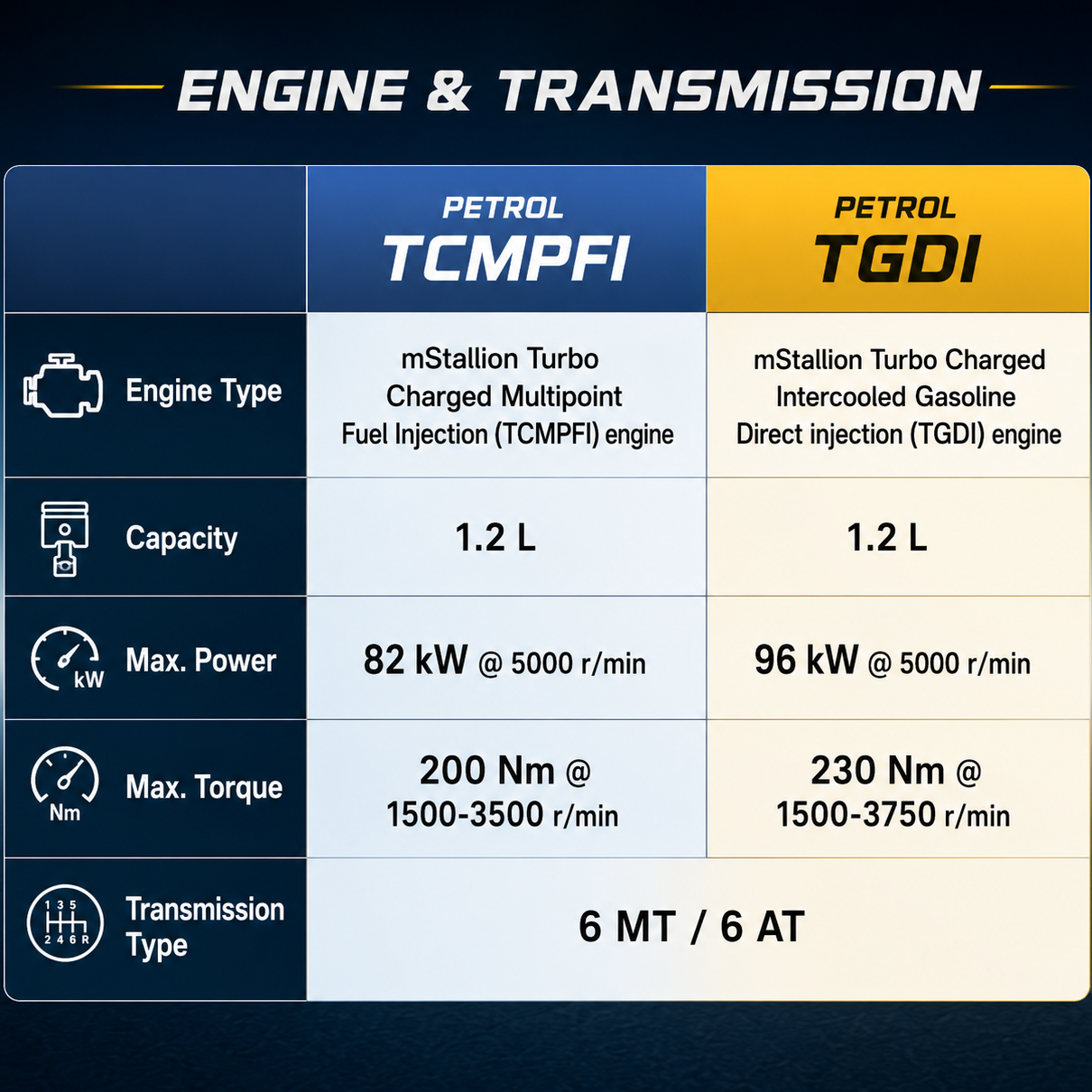
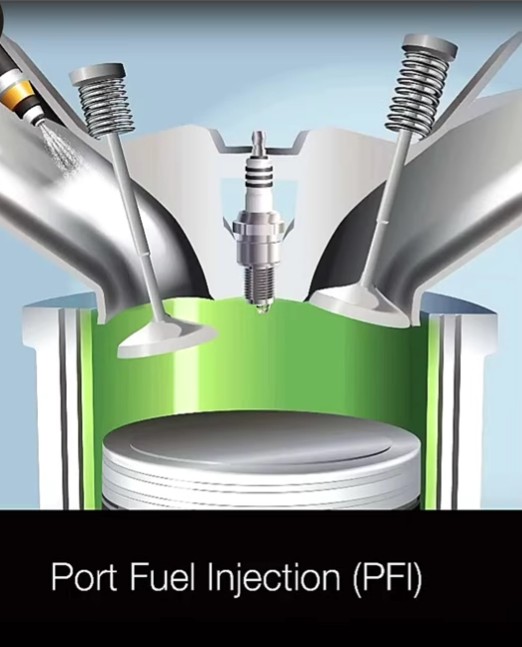
The TCMPFI engine is a mStallion 1.2L turbo charged multi point fuel injection engine which generates 110BHP power and 200NM torque. It uses DOHC and VVT technology. This engine comes with 6 speed Manual and 6 speed AT torque converter from Aisin company. In this engine the injector is placed in the port which means outside the cylinder from where the air and fuel mixture enters the cylinder combustion chamber and during the combustion stroke the blast happen using the spark from spark plug.
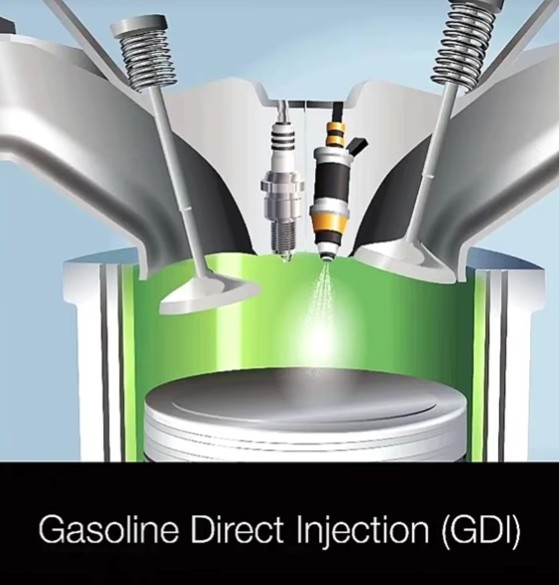
The another TGDI engine is a mStallion 1.2L Turbo Charged Gasoline Direct Injection engine, DOCH and VVT technology which generates 129BHP power and 230NM torque. This engine comes with 6 speed Manual and 6 speed AT torque converter from Aisin company. Torque converter is the most reliable automatic transmission. In TGDI engines the injector is placed inside the combustion chamber directly above the cylinder head.
Mahindra is always known for their Diesel engines and precisely the company is known for engine torque. While designing the petrol engine Mahindra kept torque in priority and according to that they designed their engines. Also they kept the changing emission norms their priority while designing it to keep the engine for long term.

Mahindra 3XO TCMPFI vs TGDI Engine Details
- Both the engines are mostly similar in architecture. In the design architecture of the engine the Mahindra has used CFD means Computational Fluid Dynamics technology in which the flow of engine fluid is designed. Mahindra Claims explicitly to use this design technology. In this some advanced mathematical calculations and advanced computational techniques are used which help in determining the flow of fluids in different load conditions. Using this technology the engine can be designed better for the variable load conditions. Like the designing of the channels through which the fluid flows, the thickness and the length and width etc.
- Another significant change Mahindra has done is the use of Electronically Controlled Fuel Pump. It is actually a variable type of oil pump which is placed in the OIL PAN and closely attached with the engine itself. This type of oil pump helps in circulating engine oil as per the requirements and the load conditions. This helps in reducing pumping overhead in the engine and eventually helps in increasing the engine efficiency. If more oil is required then the fuel pump will act accordingly and provide more engine oil to the engine. This also called as Variable Displacement Oil Pump in short V-DOP.
- Although Mahindra has taken steps to reduce NVH levels but still there are higher NVH levels from mStallion engine. Mahindra has taken steps like use of Stiffer Crank Case, better coating has been used in the engine block, in the crank case, in the bearings and near the piston. They have used Resonator and also tried to improve the Turbo as well. Particularly in the TGDI engines the turbo has been designed to use very efficiently so to have better control over intake air. Also for the TGDI engines the injector used are a high pressure injectors.
- Mahindra design philosophy is to produce Torquey engines. They design the engine to make them produce high Torque. First this can be seen in the designing of the combustion chamber like the measurement of Bore and Stroke. So according to which the Turbo charger will be designed, compression ration will be decided, friction coating will be decided which contribute in the engine power and engine torque also. The cam profile is also designed accordingly. The fuel injection system with the ECM configuration is also programmed as per the Engine design.
- Mahindra also used an Integrated Exhaust Manifold which help in reducing the engine weight and also reducing the manufacturing cost as well. This type of integration takes less time to warm up the engine even in the colder season so it will create less load on the engine components as well and less wear and tear will happen.
- Mahindra has taken help from an Australia based company AVL technology in designing the engine. Also taken help from BOSCH for its injection port system.
Also Read: Types Of Fuel Injection System In Petrol Engine | MPFI, GDI, TSI Engines and Differences
Which engine is better, TGDI or TCMPFi?
The TCMPFI engine is a turbo Charged engine but the carbon built up it has is least. If there will be higher such carbon built up then there will be pressure leakage at the ports. This built up will also allow extra and unnecessary gases to enter in the intake port. So the TCMPFI engine is more suitable for city driving conditions. Also this engine provides high end torque and the designing is also simple. So its maintenance is less costly as well. The parts are cheaper as compared to TGDI engine. But this engine has cons like low fuel efficiency and high NVH level. There is a turbo lag as well and it is not a much sporty car.
The TGDI engine has a better power and torque, this engine will have Low NVH levels also this engine is able to give higher mileage on the highways. Actually this engine is for the persons who want performance from their car. This car has very No or low turbo lag and higher torque. The cons of this engine is that there are carbon deposits because no self cleaning done behind the valve. This engine is costly and its parts are all the more expensive like its turbo charger, fuel injection etc. All these cause higher maintenance and higher parts cost. Similarly in city this engine will create problems in long term if the driving is only city bound (as the Turbo needs certain temperature to activate with high RPM and in city the car does not achieve the speed due to traffic). The fuel efficiency is also low for this engine in city.
What is the mileage of 3XO TCMPFi?
The mileage of the 3XO TCMPFI engine is lower. Although this is a MPFI engine but it has turbo charger and eventually it is a performance based engine. In such engines mileage gets compromised. The City mileage of this MPFI engine is approx 10kmpl and on the highways its mileage is 14-15KMPL.
Is Mahindra 3XO a turbo?
Yes the 3XO is a turbo car. Means it has a turbo charger which gives higher torque and provides outright performance. This has two petrol engine options. One is TCMPFI and another is TGDI. The technology used to design them defines the name of these engines. Both the engines uses turbo charger but the TGDI produces more power and higher torque. Although the 3XO TCMPFI is not lagging behind, it is faster than other MPFI engines in the same segment.
What are the disadvantages of TGDI engines?
The disadvantages of this engine is there are higher NVH levels. And also carbon deposits are higher because no cleaning is done behind the valve as in MPFI engine. This engine is costly and its parts are more expensive like its turbo charger, high pressure fuel injection etc. All these cause higher maintenance and higher cost of parts. Similarly this engine will create problems in long term if the driving is only city bound. It is better for the highway driving. The fuel efficiency is also low for this engine specially in city.