
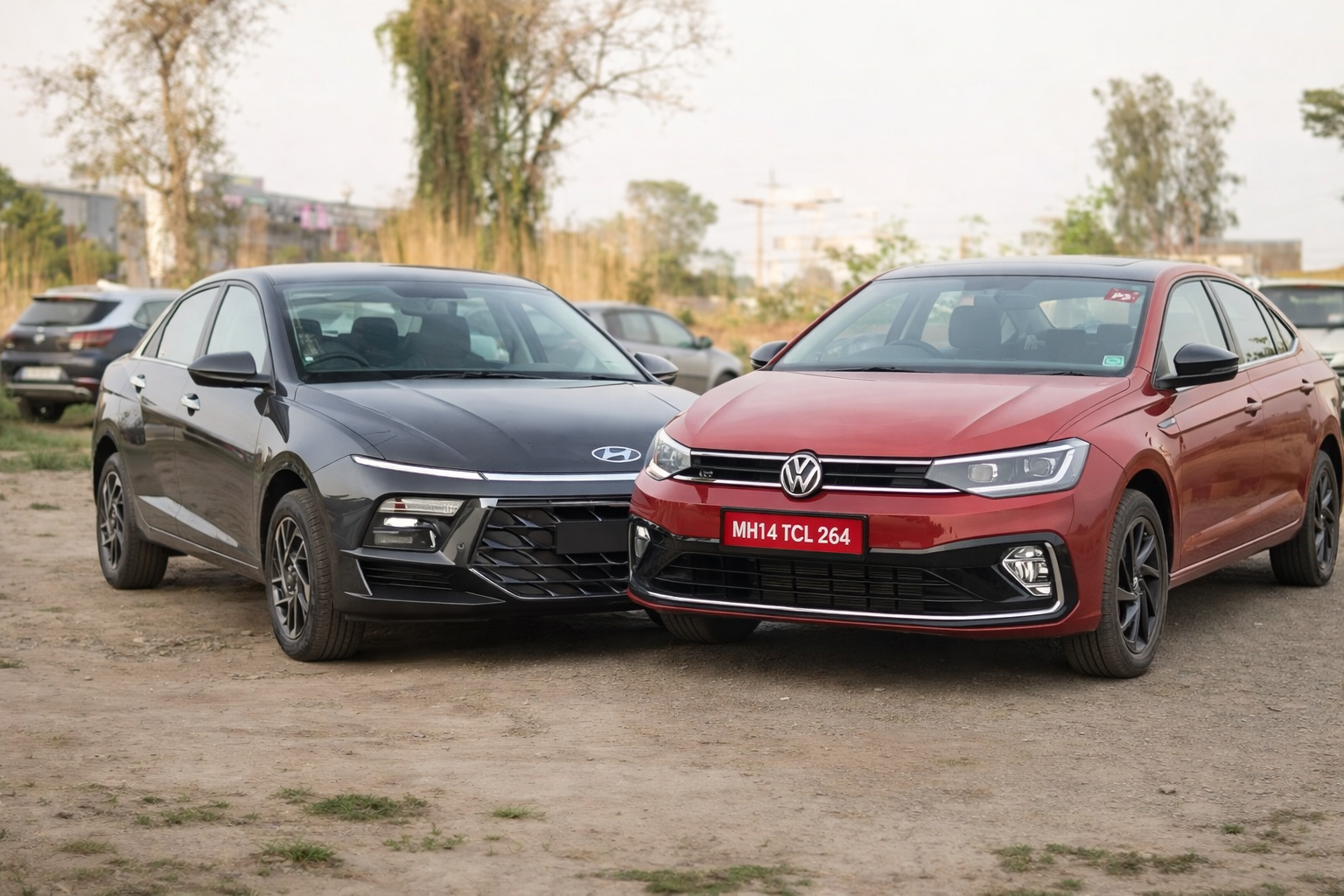
Hyundai has recently launched a facelift version of Verna with some new updates in this scenario people who planning Sedan now have become confused again that Verna 1.5 vs Virtus 1.5 which is better because both are a very sporty cars. So here we have come in the new series of cars comparison that which one to buy among Verna 1.5 and Virtus 1.5 to clarify your doubts.
1.5 TGDI verna dct or 1.5 TSI virtus ?
These both cars share a same technology of Direct Injection Technology but by naming both are different. VW names the GDI technology as TSI, there are so many TGDI technology in the market which have their own specialty. Today we will see the differences between both the cars engines and touch upon their gear boxes too.
TGDI simply means that there will be a turbo installed and fuel will be directly injected in the combustion chamber. Which means the injector will be installed in the combustion chamber and that is why this is called as Turbo Charged Gasoline Direct Injection Engine.
People who love to drive TSI engine can not ignore the Verna TGDI engine also because both the engines are close enough in terms their sporty nature. Neither of them is far away in terms of power delivery.
For the comparison point of view we will consider Verna 1.5 TGDI DCT vs Virtus 1.5 TSI DSG in this discussion.
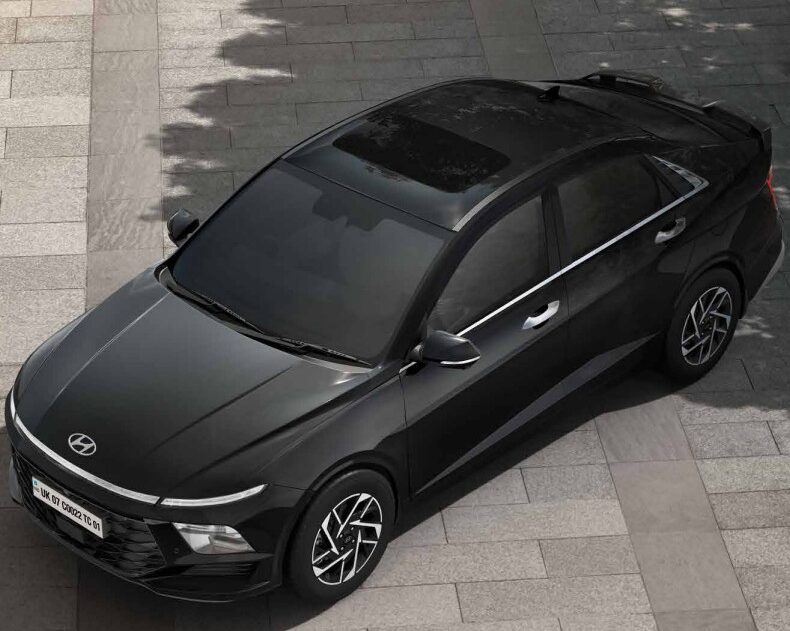
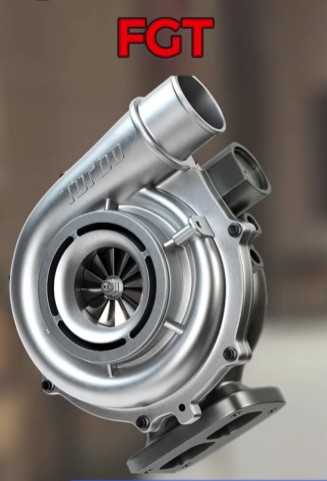
Hyundai Verna 1.5 TGDI Engine Specifications– The engine is 1.5L 4 cylinder Direct Injection Turbo Petrol Engine which 1497CC. The engine weight is 110kg. It produces 160PS power and 253NM torque which help achieve 0 to 100 in 9 seconds. The top speed 210kmph. It is having 5 star Safety rating also. The turbo used here is FGT(Fixed geometry turbo) type.
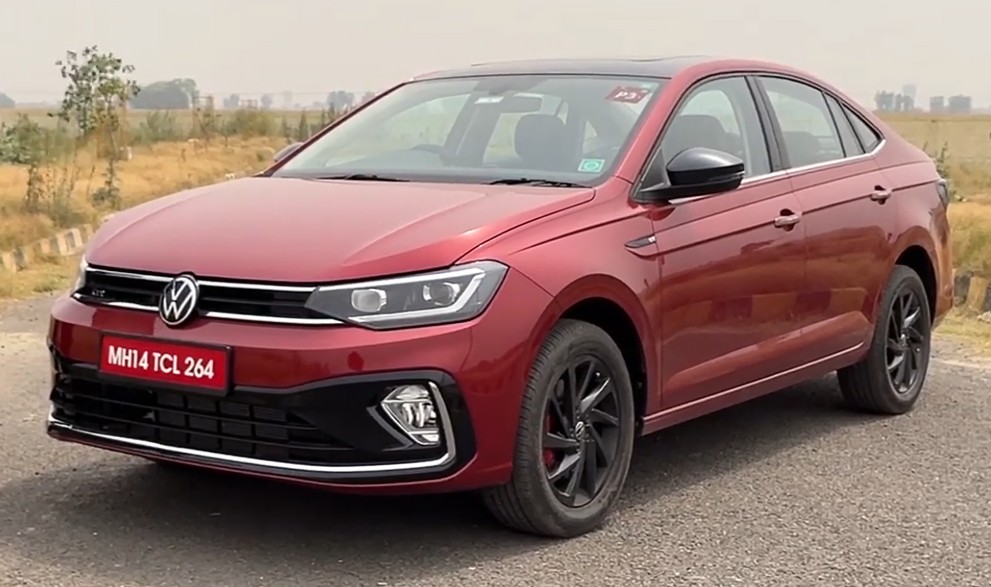
VW Virtus 1.5 TSI Engine Specifications– The engine is 1.5L 4 cylinder Direct Injection Turbo Petrol Engine which 1498CC. The engine weight is 114kg. It produces 150PS power and 250NM torque which help to achieve 0 to 100 in 8.5 seconds. The top speed 200kmph. It is having 5 star Safety rating also. The turbo used here is VGT(Variable Geometry Turbo) type.
Also Read: 1.0 TSI VS 1.5 TSI which is better
As we know to generate power by the engine two things play a crucial role which are the minimum requirements an engine needs. One is AIR and other is FUEL. Because mixture of both of them needs to have a combustion inside the engine.
Air and Turbocharger– Whenever there is discussion about the air in a turbocharged engine then first of all we talk about the Turbo itself. Verna TDGI has FGT type of turbo whereas Virtus TSI has VGT type of turbo these are very big differentiators. both have their own pros and cons we will understand them one by one.
Turbo Lag– We need to understand any cars weather GDI or MPFI suffers from the turbo lag in the car. There is a delay in between the power demand and the power delivery is in a turbocharged engine this is called as the turbo lag. This turbo lag is highest in the initial phase of the engine means at low RPMs.
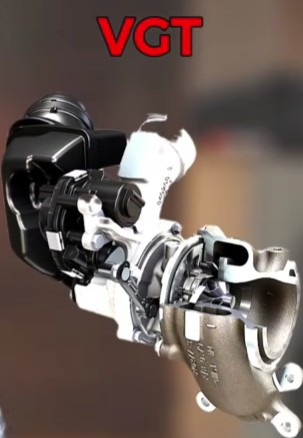
- In FGT This type of turbo performs vey well in a constant load conditions and deliver very high efficiency too, the issue is that they do not have flexibility and can not perform well in variable load condition.
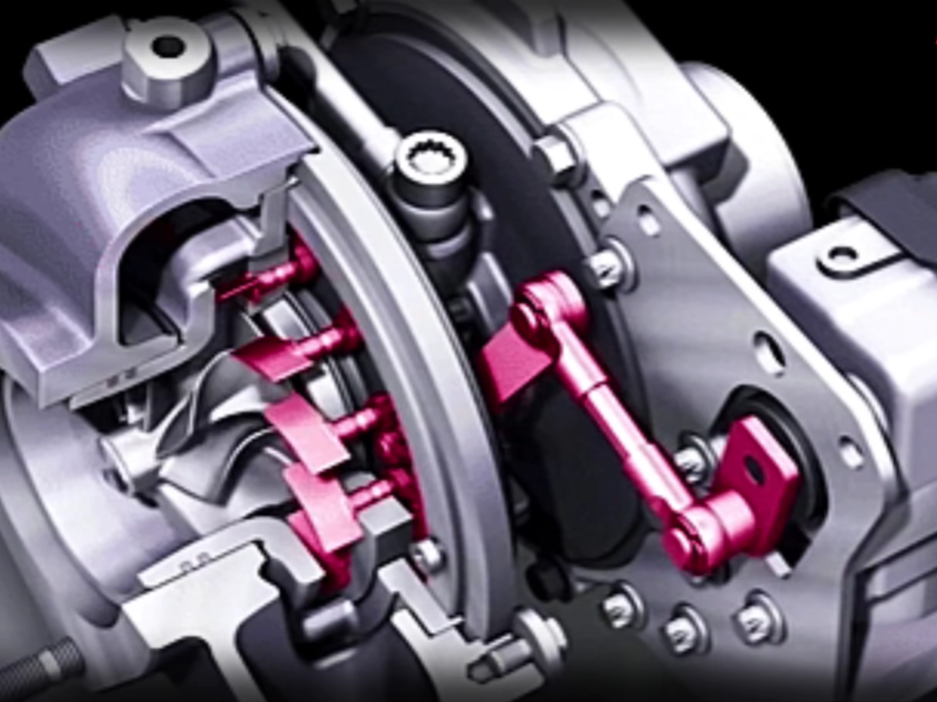
- On the other hand in VGT which a variable geometry which can manage the air intake. VGT performs well even in the variable load conditions.
Also Read: Different fuel injection system in cars
FUEL Injection and Fuel spray– Now we come to the second important type i.e. fuel. So for fuel two things are even more important, first the spray efficiency and spray timing in the engine. So petrol spray is related with the petrol injection system in the engine. For burning the petrol mist should form. The petrol should get atomized so it gets higher efficiency of burning. In a Direct injection technology the injectors makes a fine mist and try to mix the air and fuel in efficient way.
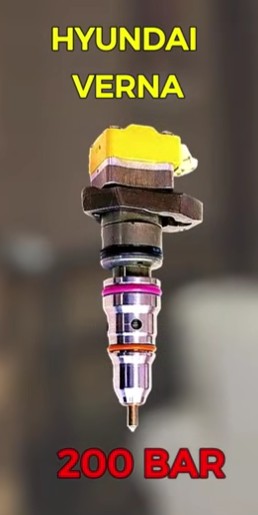
Two things becomes very important here one is fuel pressure and the timing of the spray. Hyundai Verna has a injector which can be used at around 220 Bar pressure. Whereas the injectors in the Virtus can withstand 300 Bar pressure. These are the highest pressure rating that tells the injector is so much capability. For timing actually spray is dependent on valve timing, that means for how much time the valves in the combustion chamber will get opened. So to achieve this movement Hyundai and VW uses different different technologies.
Hyundai uses CVVD means Continuously Variable Valve Duration which decides the valve timing and the duration according to which the fuel and air mixture will be formed.
VW uses VCT it stands for Variable Camshaft Timing. Actually these both trying to achieve VVT but using different approaches. So use of these two different methods there are differences in the efficiency and the power delivery of different engines. Means these two engine can manage different RPMs and behave differently.
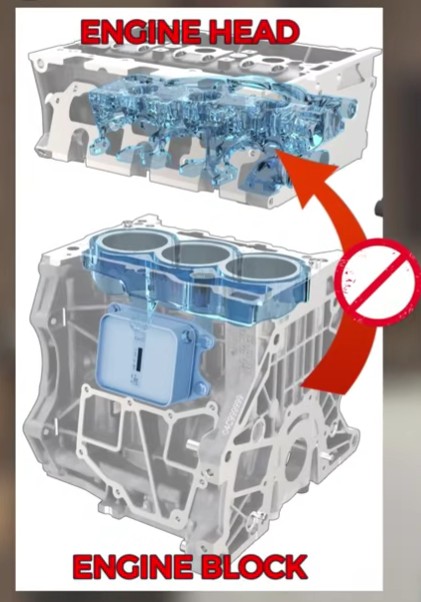
Split Cooling System– Both uses split cooling system in which two different cooling channels are there one for block and another for head. These cooling channels are isolated which means Block’s coolant heat does not go to the Engine Head and Engine Head Coolant Heat does not go to the block part. This improves the thermal efficiency of these two engines to a high level. In a turbocharged engines the pressure inside the chamber is very high due to which the exhaust temperature is increased very much. So this split cooling system increases that thermal efficiency to a very high extent.
ACT (Active Cylinder Technology)– Now there is another a unique and distinguished technology of TSI is ACT (Active cylinder management or active cylinder technology) which is not present in Hyundai’s Verna. ACT deactivates the 2 cylinders out of 4 cylinders when there is a low power demand. In which it uses only two cylinders very efficiently. The exhaust gases causes almost half of the pollution at that time and it also increases the fuel efficiency of the car. The shifting from four cylinder to two cylinder happens very seamlessly depending on the load condition of the car,
DCT Vs DSG Transmission
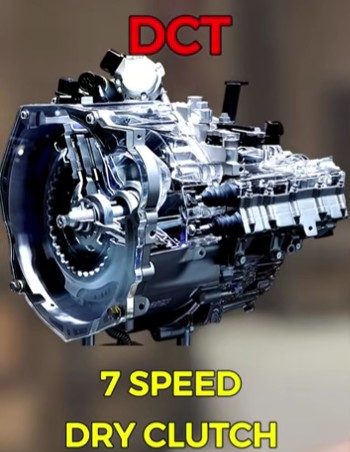
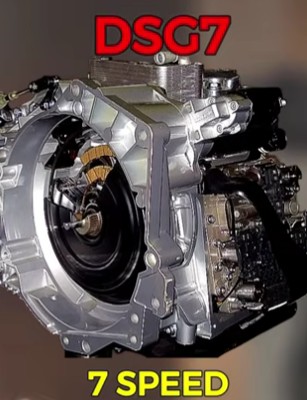
Now we come to the next difference which is the difference of Transmission i.e. DCT vs DSG both of them are dry clutch system. Having a dry clutch it still have oil which lubricate its other components but the clutch part is dry. Largely the working principle of both the gears are similar. These are dual clutch transmission which uses separate clutch for odd and even number of gears. But the gear shifting in the DSG is more efficient. In DSG shifting takes 8 to 10 milliseconds only which is little faster than the DCT. As this is done in 10 to 15 milliseconds in DCT.
Which one is better, Verna or Virtus?
Hyundai Verna has a premium feel inside the cabin. It comes with ADAS L2, its maximum power delivery is more than Virtus. Its CVVD technology manages the performance and mileage to a high extent. The ARAI claimed mileage of Verna is higher 20.6kmpl vs Virtus 19.6kmpl. But at the same time its turbo lag is little higher and its DCT do not perform as faster as the DSG gearbox. But still it is reliable and its failure rate is not high as in DSG. DCT has also faced failure in times but DCT is not that much vulnerable like DSG specially in city driving conditions. If DSG got failed and if we need to repair it then that will cost much higher.
Whereas The interior if Virtus is not that much premium while the exterior looking is very sporty. The Virtus has ACT feature that is unique to this engine and it has its advantages too. In Virtus turbo lag is less due to VGT turbo and it produces quite a good power delivery on a wider RPM range. Which simply means no lag in power delivery. Performs well in mid range and low range as well. Again there is a high chances of failure in the DSG gearbox. The clutch failure and complete gearbox failure has been registered earlier also in the past. The engine of the Virtus is much complex which is good for the enthusiasts but there is a cost of that performance also. The parts availability is more and more costly and overall reliability is sometimes questionable due to the ACT and DSG complexity. You can not get it repaired any where.
So it depends on the persons needs like you have to choose between performance and long term reliability.
Is Verna turbo faster than Virtus GT?
No Virtus GT is faster than Verna Turbo. The Virtus uses DSG gearbox which support to it high performance. Although the difference is not much high the Verna can cover 0-100 in 9 seconds while the Virtus in 8.5 seconds. Low end performance in Virtus is good. The technology it uses it high end but complex too. SO Virtus turbo is faster.
What are the disadvantages of Virtus?
Some of the disadvantages of virtus are
- The engine of the Virtus is much complex.
- High chances of failure in the DSG gearbox.
- The clutch failure and complete gearbox failure has been registered.
- The parts availability on time and it’s cost is a major issue.
- Overall reliability is questionable due to complex engine (The ACT and DSG technology).
What are the disadvantages of Verna?
- Turbo lag at low RPMs
- Not suitable if there is only city drive. Consider Manual for that.
- DCT is not as fast as DSG.
- Slower in low end performance.
- High maintenance due to turbo and cooling system.
- DCT can also get failure.
GDI vs TSI Which Is Better ?
According to the performance TSI is better. It uses high end technology but no compromise on the performance side. But the overall reliability is affected in TSI, its a complex structure. On the other hand the GDI is also good in performance but a little slower than TSI. Whereas the GDI engine is more reliable due to less complexity.
Related Posts:
- Types Of Fuel Injection System In Petrol Engine |…
- Skoda Slavia Facelift VS Hyundai Verna Comparison…

- Best Sub 4 Meter Turbo In India | Fronx vs Venue vs…

- Types Of Automatic Gearbox In Cars? | Which Type Of…
- Skoda Slavia Facelift 2026 Colours : Complete Colour…

- Skoda Slavia Facelift vs Honda City Comparison and…

1 thought on “Verna 1.5 Vs Virtus 1.5 | Verna 1.5 Turbo Vs Virtus 1.5”