
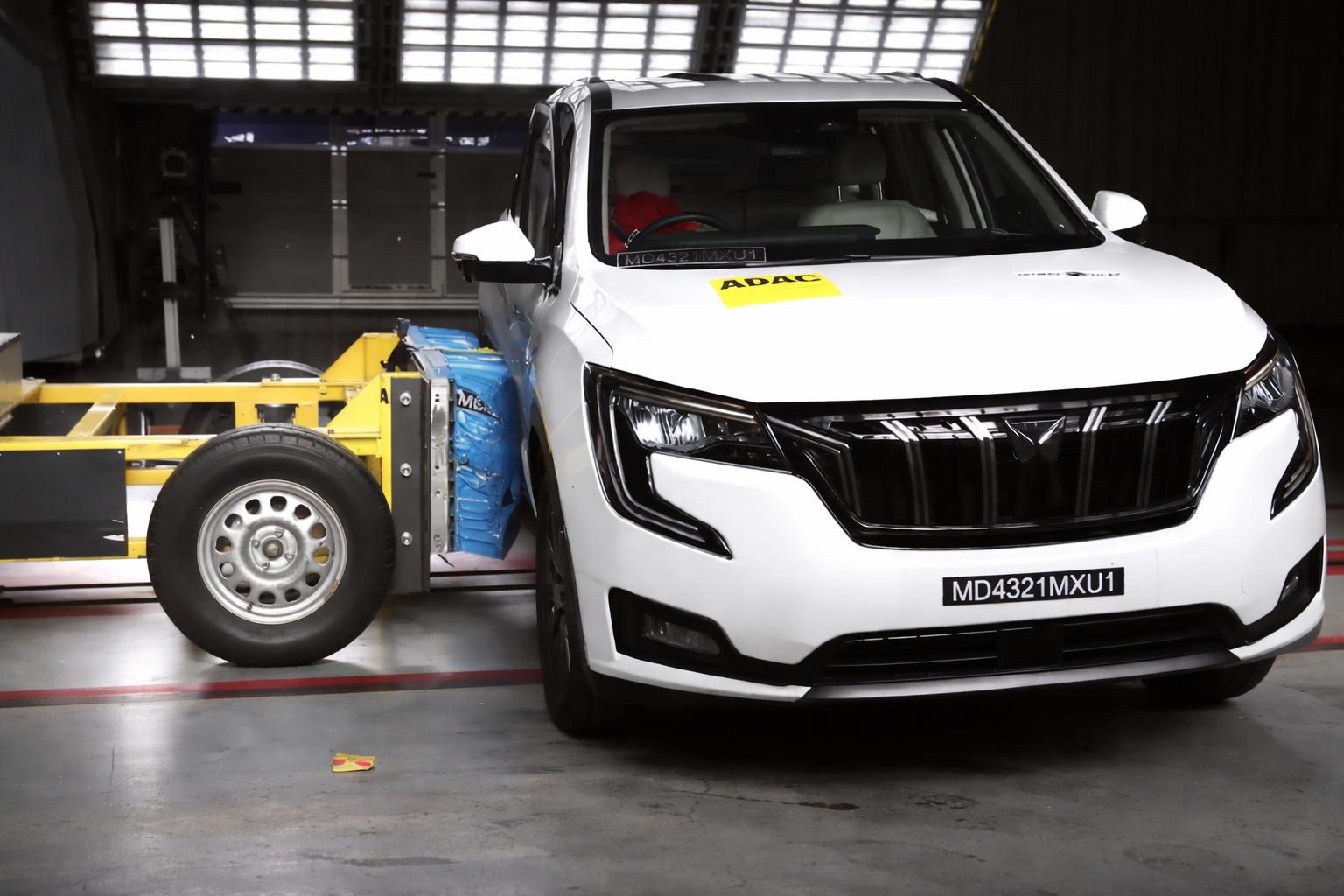
Car safety is an important part of a car as a package. After buyers becoming aware of its importance the safety ratings has become a crucial part in increasing sales also. But the common man needs to know how car safety rating is calculated? What points do car safety rating agencies take into consideration while testing a car? Is it really worth to pay extra for a 5 star safety rated car? Or it is just a market gimmick? We will see these things in this article. We Hope this article will add some knowledge about the safety ratings and will help in buying a car and taking a right decision.
How Car Safety Ratings Are Determined?
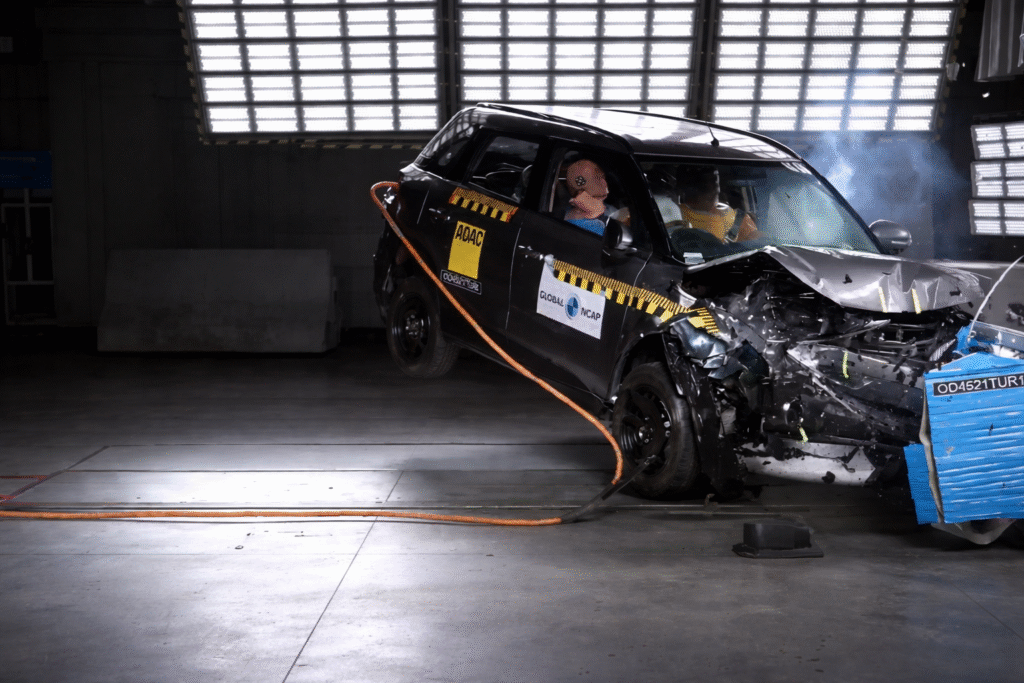
To determine car safety the rating agency GNCAP (Global New Car Assessment Program) perfroms basic testing. This testing is based on the crash done under their surveillance. To reach to a result they follow the steps.
- 2 adult dummies are placed on front seats and 2 child dummies are placed on the rear seats one with ISOFIX seat.

- The front dummies mainly help in determining the safety rating. The two dummies are placed on the seats wearing the seat belt. The dummies whole weight, body parts weight, the overall size, height and width is made exactly as an average normal human being.

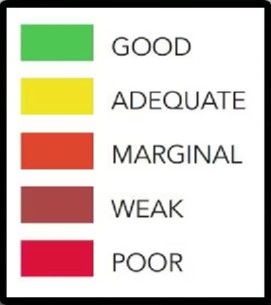
- There is color coding which shows the level of impacts on these body parts. The colors represent the severity of the impact. For example green shows less impact and good safety.
- The NCAP dummies are basically divided into 6 different parts to assess the Safety rating, Head, Neck, Chest, knee, lower leg and foot.
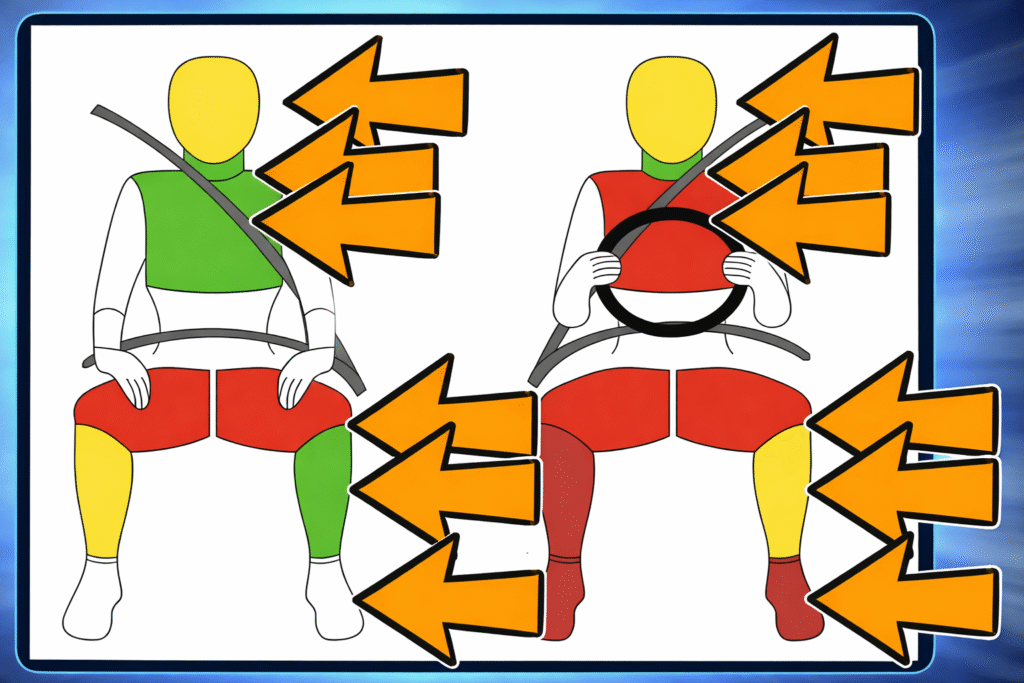
- These are the main parts which get majorly hurt during any crash. After placing the dummies inside, then at the speed of 64kmph the car hit a wall to test the damage mimicking the accident.
- Mainly GNCAP does two types of crash during the test. First is Front Crash impact and second is Side Crash impact.
- Now if the front crash is tested positive and the car achieve 4 star rating only then the side impact test is done next. Below 4 star rating the car gets rejected for second test.
- GNCAP the test the impact on the dummy’s body parts. The sensors are placed in the dummies on the different parts. The dummies are designed particularly to assess the damage.
- These sensors measure the impact on the body part of dummies and points are given according to the impact. Higher the impact means higher the chance to get injury on the body part.
- For example for Head, HIC15 test is done it means Head Injury Criteria 15. The impact of crash on the head in first 15 milliseconds is assessed here and calculated in the number form.
- If the impact come is Higher (>700) then there is a high chance of getting crash.
- For Neck assessment is done and check how much pulling force (Tension) is produced during the crash. It is measured in kilonewtons.
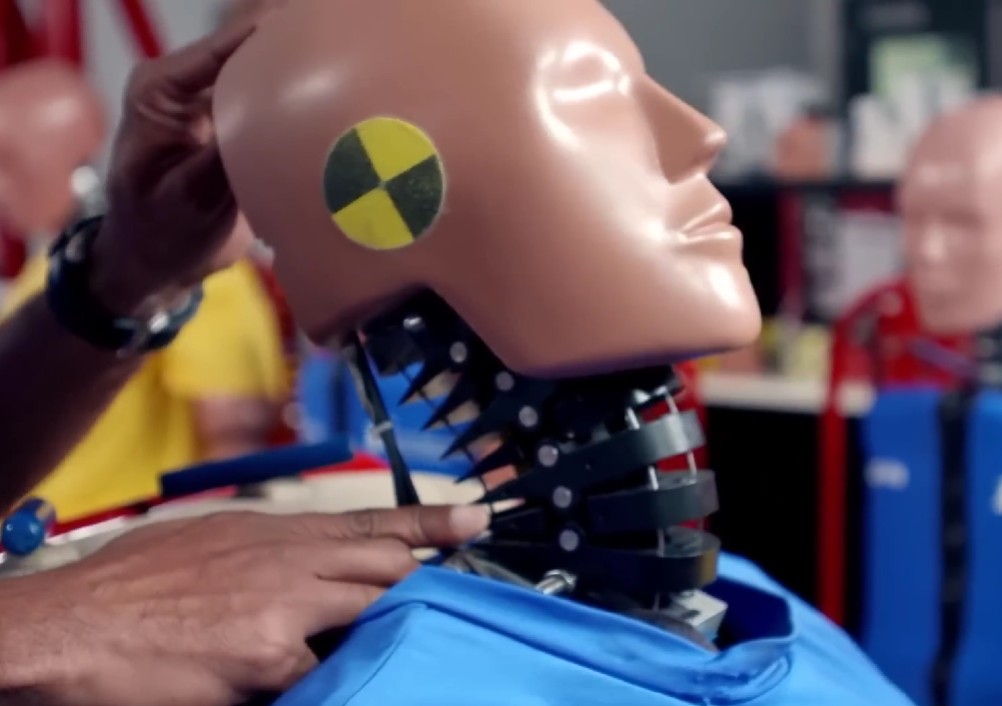
- The Chest impact is measured in terms of the Compression and its value is between 22mm to 42mm. Where 22mm means the car is safe and 42mm means chances of getting chest fracture is highest.
- For knees again the compression is checked and according to the value it is assessed. The value of which is between 6mm to 15mm, where 6mm being safest and 15mm means chances of getting knee fracture is highest.
- For Foot it is placed on the accelerator for impact and see how much the foot is displaced back. Measured between 100mm to 200mm, where 100mm means safest and 200mm means chances of getting foot fracture is the highest.
Also Read: Best Mileage Tyre For Car
How To Check The Safety Rating Of A Car?
After the assessment is done then different point is given to the car for these parts ranges from 0 to 4. According to the points in the final report two dummies are shown with different colors used to depict the score.
There comes a point of Modifier. In which other points are taken into the consideration according to the different situations. Because the possibility of accident is different for different situations. So considering that situation the modifier value is added or decreased. Because the passenger will be of different weight and height, and crash situation will be different. In that situation different variables are being tested.
For example during the crash if the car’s door gets opened in crash test or fuel tank leaks or dummy’s head collides with the dash board, airbags wrongly deployed etc in all of these cases agency give -1 mark. Like these there are more multiple points that determines the rating of the car and get a mark cut. We need not to go deeper on all of that situations.
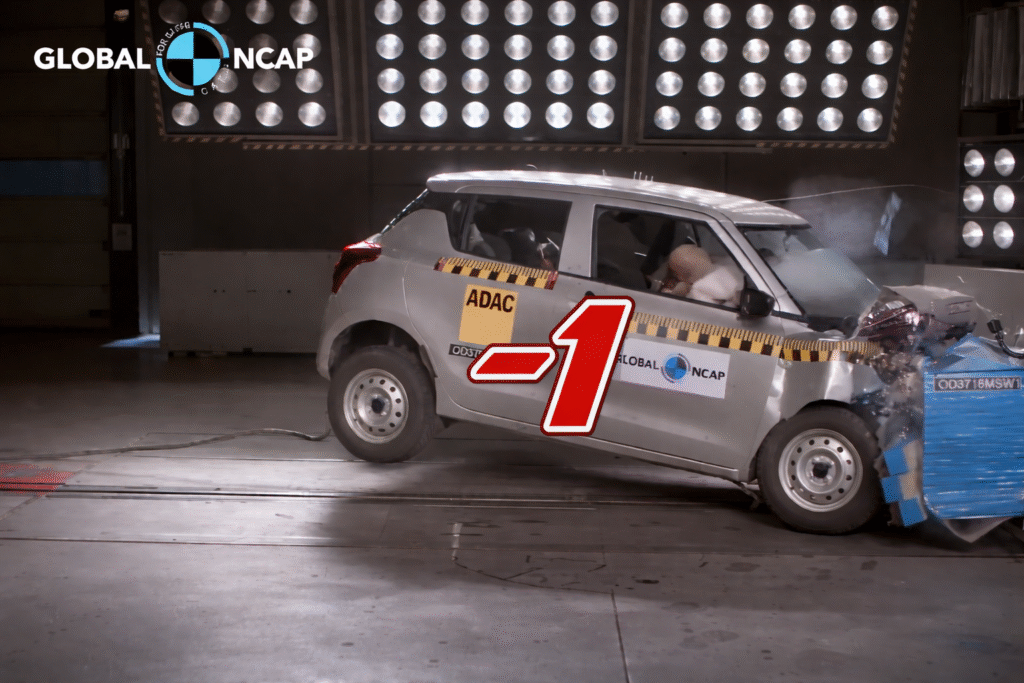
Here the front impact rating is completed. This is measured in total 16 points. After that if a car achieves at least 4 stars then it is sent for the next assessment. Which is side impact testing. this is also a 16 pointer test. Total of it becomes 32 points on which the rating is decided. Further there are 2 more points for seat belt reminder. 0.5 point each for driver and codriver, and for both rear seats. Total 34 points are there which determine the final rating of a car.
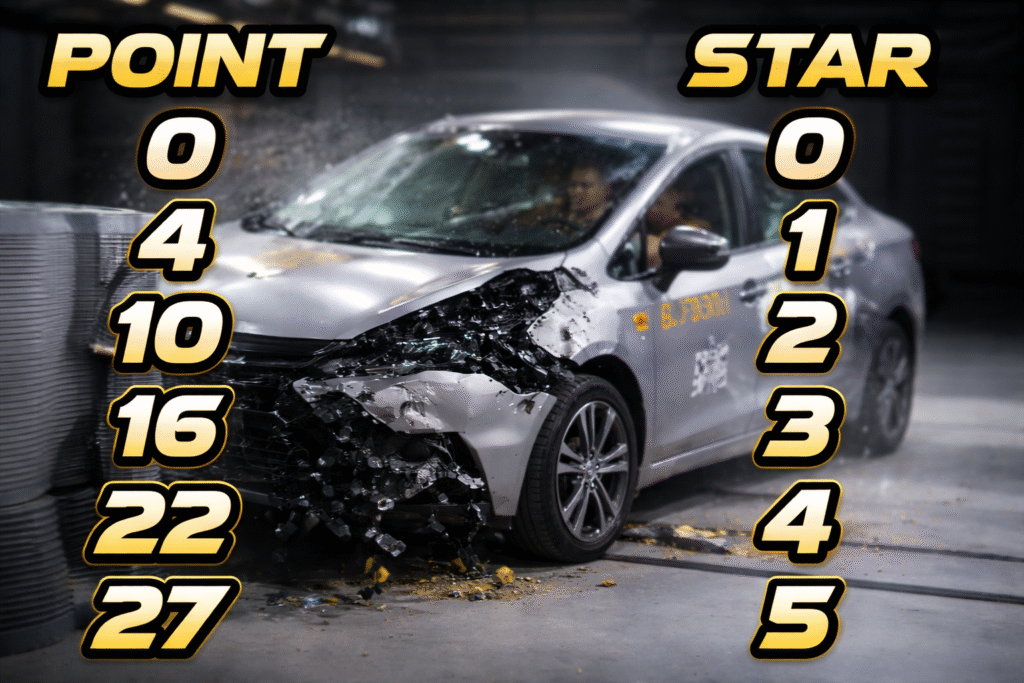
So total out of 34 points the rating is given according to below points.
Also Read: Turbocharger maintenance and repair
What Is A Good Car Safety Rating
5 star safety rating is considered as the best rating. It represent the body shell integrity and the ensure the maximum safety. Although 4 star rating is somehow also good. In the above way the car gets marks from each test then according to it the Final Rating is given to the car.
Also for a car to get above 3 star rating there should be two more criteria, one is that the car should have ESC (electronic stability control) feature in any of its variant, and it should also have Pedestrian Protection feature.
Now for a car to a 4 star rating there should be one more criteria is that it should have a side curtain airbags.
For a car to get 5 star rating there should be 27 marks out of 34 minimum and all features like ESC, ABS should be there.



1 thought on “How Car Safety Rating Is Calculated?”