

Car paint protection improves value of your car. It also matters during resale of the car because it can provide a best return. Here are some tips on how to protect car paints at home which cover the overall maintenance of a car.
Why To Protect A Car’s Paint
- Better Durable color can give a newly vibe to your car.
- Rescue from Rusting and Corrosion and thus keep body integrity intact.
- Prevent Oxidation and Blemishes on the body if kept properly maintained.
- If paint is not flawless and smooth it will increase the dullness over time.
- Fading of paint occurs in long run due to sun’s UV rays so keeping it protected will make it more deeper in color.
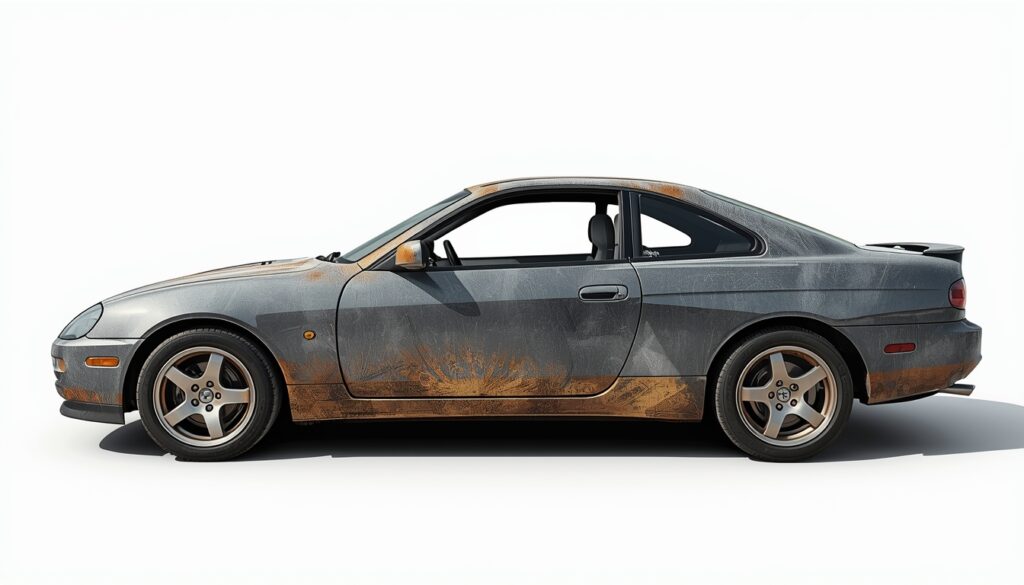
How to protect car paint from scratch
There are tips to protect you car paint from scartches
- Always use a good quality microfiber cloth of 300 to 340 GSM minimum
- Never run a dry microfiber cloth on the car’s body.
- Swirl marks are made due to friction between the car’s paint and the cloth used. Mostly due to dust accumulation on the outer body and dry cloth running on it.
- Use a Bumper Guard or Scuff Plate installed to protect the plastic parts.
- Use a rinse less wash for your body part or a soapy water solution. first apply this solution on the body and wipe it off using a microfiber cloth this way the dust gets lubrication and it gets removed without damaging the paint of the car, to keep long term shiny surface use a solution and never run a dry cloth on the car surface.
Best Way To Protect Car Paint From Scratches
- Take some coconut oil and a rubbing compound (easily available for 70-80 rupees) for minor scratches
- first apply coconut oil on the impacted part and then apply the rubbing compound on the same part then apply evenly using your fingers
- Leave it for at least 10 minutes then clean it using a thick and soft microfiber cloth.
- Some scratch can be removed using coconut oil itself because the scratch sometime get other car’s paints chipping and using this oil can removes this chipping.
- To protect Door sill use a Carbon Vinyl film for covering the scratch part to protect it from being damage.
- Mud on the body of the car can cause the damage to the paint, so never remove it using dry cloth. First pressure wash the mud using water then try to remove it using a microfiber cloth.
- Do not wash car in automatic machines. It applies uneven pressure on the delicate parts and thus create the scratches. Also it uses same brush for all the body parts which is not recommended at all. Soft brush for paint areas and hard brush for tyres and alloys should be used.
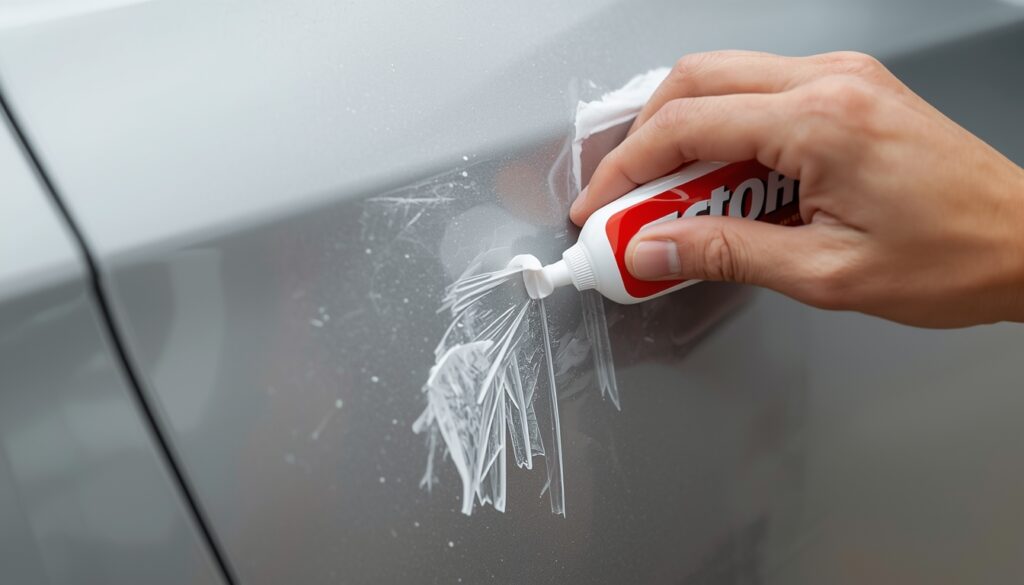
- For minor scratches using a Toothpaste is a preferred and a cheap solution.
- Apply it on the areas and leave it just for 5 minutes and after that rub it using a microfiber cleaning gloves.
- Now apply coconut oil on the same area and rub it again with soft pressure.
- One more trick using Toothpaste. Apply it on the scratch and then rub it well evenly using a simple toothbrush. Now after that wash it with simple water.
- Use Coconut oil and White Vinegar for minor scratches too. Mix both well and make a solution. Then apply this solution on the scratch it will remove the scratch. This method is only for minor scratches.
- Avoid daily washing of car. This will also damage the outer coating of the paint
How to protect car paint from bird dropping

- Use a tight bound cover if its loose then dust will enter inside and will get trapped. Moisture also gets trapped and damage the body’s paint.
- Do not park your car under a tree.
- Proper washing your car at least 2 times a week using shampoo.
- Remove bird dropping quickly using water and do not leave it for long. These are acidic in nature and cause damage to your paint.
- Use Bucket wash method to remove bird dropping
- Divide one bucket water into two parts one is soapy solution and another is plain water.
- Then wash from above by removing them using soapy solution till lower part.
- Now fill the soapy water into a water bottle available at home and make 4 small holes on its cap. Use this water to remove bird droppings it will help in smooth cleaning.